














Event Details
Sibos Tradecast – the future of global trade and supply chain finance
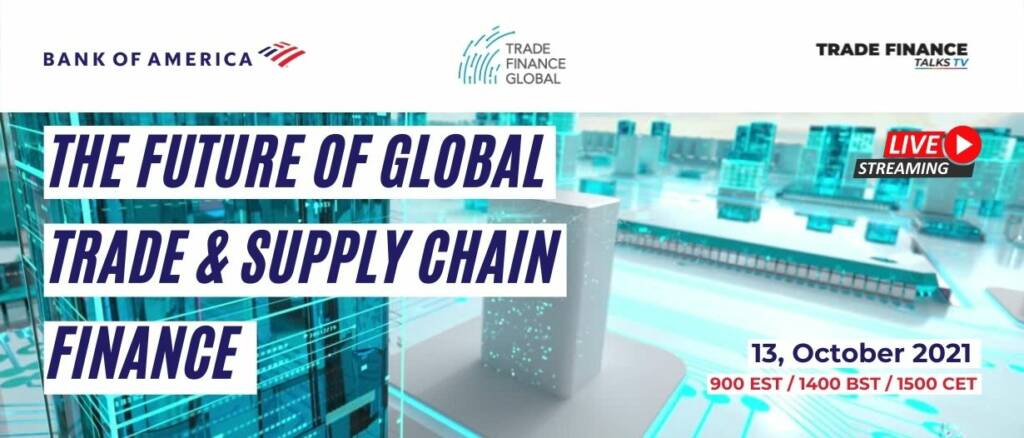
Presented by Trade Finance Global and Bank of America
Trade Finance Global hears from global experts in trade and tradetech, giving a helicopter view on global trade and supply chain finance, long lasting changes to international trade and the future views of a fully digitalised trade landscape.
The Panel
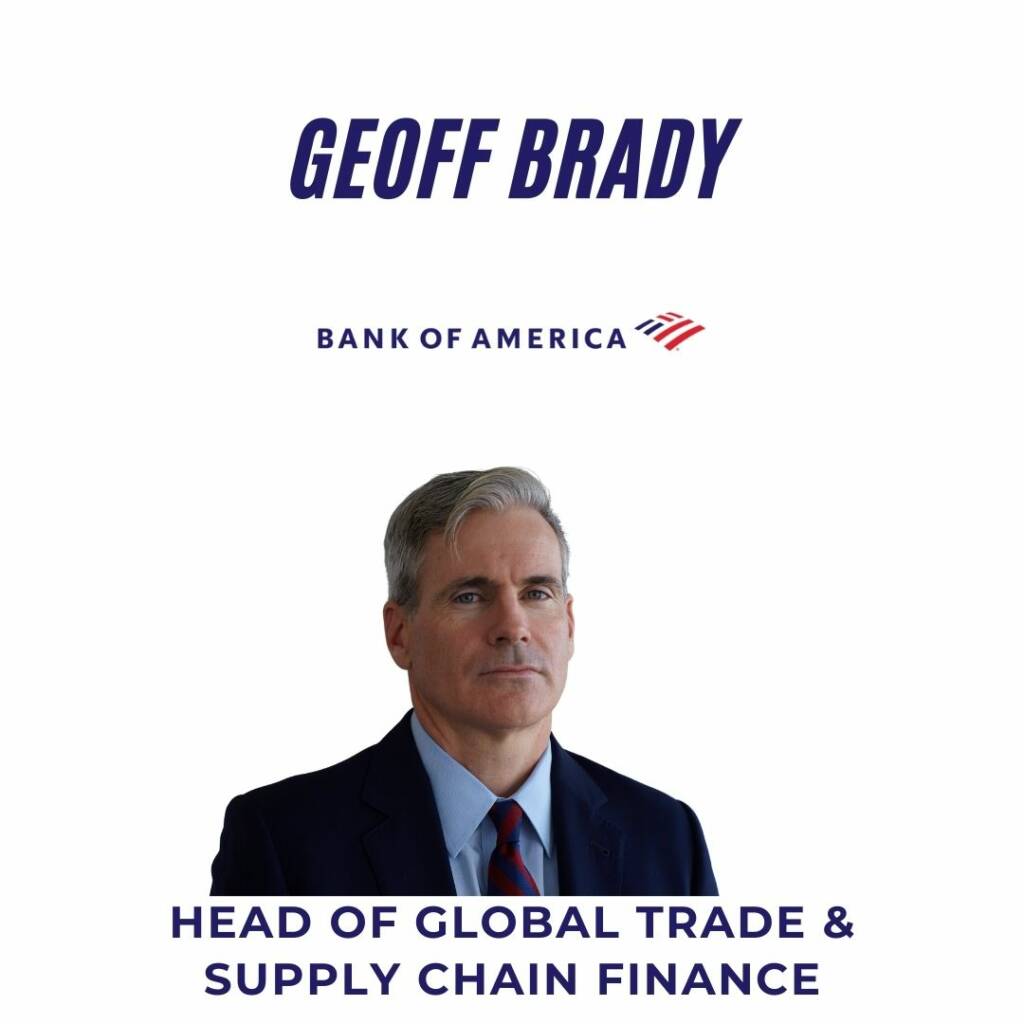
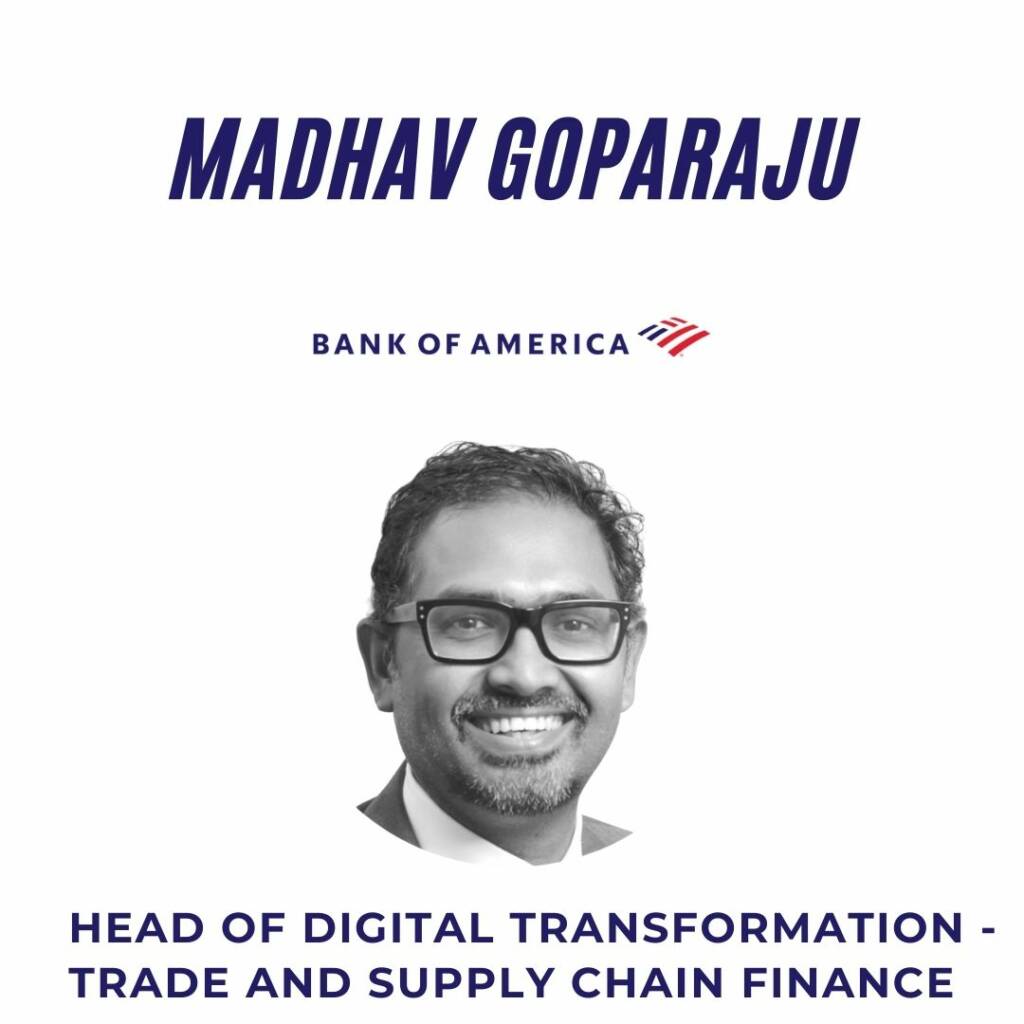
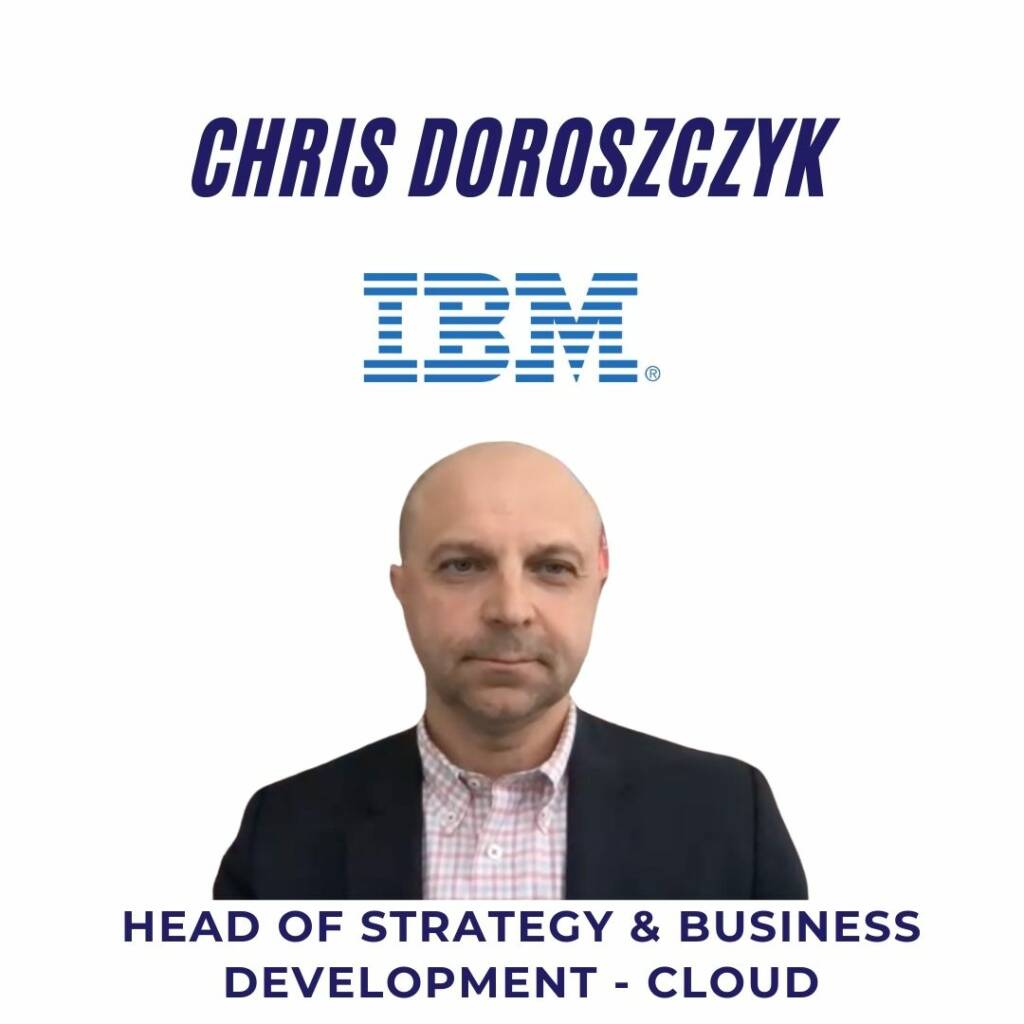
Moderated by Deepesh Patel, Editor, Trade Finance Global
864 viewers
Live Tradecast
75 minutes
Streamed on LinkedIn Live
Sponsors and partners

Introduction
- Introduction to the panel
- Geoff Brady (GB), Head of Global Trade & Supply Chain Finance, Bank of America
- Madhav Goparaju (MG), Head of Digital Transformation – Trade and Supply Chain Finance, Bank of America
- Chris Doroszczyk (CD), Head of Strategy & Business Development – Cloud, IBM
Panel Questions and Answers
MG: For digitisation and the ecosystem of shipping companies and customs, COVID-19 will accelerate digital adoption, with the aid of local governments and regulatory agencies. It will continue to need to be a hybrid of digitisation and all digital solutions. Digital transformation will continue to get accelerated.
GB: It’s a great question, and I think illustrates why the ecosystem is what is important. A drive to paperless, digitalisation, etc., isn’t going to fully succeed unless it is accessible for all relevant parties. We’re only going to be as digital as the most analogue part of the process, and if logistics providers, shippers, and ports aren’t included in the overall efforts, we’re not going to invoke positive change.
MG: Historically, the challenge for transport documents (e.g. Bills of Lading) has always been either at the beginning of the shipping process, or at the end of the delivery process for three-way matching. Where fintechs etc. can help, is to track goods and provide real-time, in-transit data that helps strengthen the financial decision-making process for banks.
GB: Greater adoption will tell the story, but I think we can see how this can and will be useful, as transport documents today still tend towards paper, and, as such, constitute their share of the friction in the process. Again, this is why logistics providers, shippers, and ports need to have a seat at the digitalisation table.
The impact of COVID-19 on global value chains
- What’s the current state of global trade and how has this affected trade finance?
- Has supply chain disruption, be that shortages and delays to the transport of goods, or near shoring and reshoring disrupted supply chain finance programmes?
- What are the biggest lessons to be learnt from the pandemic?
Panel Questions and Answers
GB: Africa has been a particular focus for the World Bank and other multilateral organisations, as well as export credit agencies for many of the developed companies. That said, we saw that the Asia Development Bank just estimated the global trade finance gap to have increased to $1.7 trillion – a good portion of which is undoubtedly attributable to Africa. Clearly, there is more work to be done here.
GB: The goal would be optimising economic value, wherein there might be both delayed payments on one side, and the acceleration of receivables on the other, in such a way that these two things, facilitated by something like supply chain finance or reverse factoring, will create more economic value than existed in the original transaction. In a digital environment, the concept of “float” might be less impactful.
MG: B2B, real-time payments will help accelerate the push for driving digital, end-to-end optimisation of the procure to pay/order to cash cycles. If the upfront process is very paper-intensive, it will slow the various use cases that could be adopted. Also, the use case adoption continues to be fragmented by region and by industry, etc. This will definitely bring supply chain digitisation and real-time payments closer together.
Access to finance
- How do banks respond to unprecedented fiscal support from governments, an increased risk of lending to MSMEs due to the pandemic, and a decline in trade volumes?
- How did corporates respond to the pandemic, with regards to their suppliers and supply chain finance programmes?
- Is supply chain finance changing or evolving? How can it better serve the corporate customer?
- How can governments, world banks and IFIs help?
Panel Questions and Answers
MG: The need for supply chain financing in Asia will only accelerate. With it going deeper into the financing chain, it has become more urgent than before to strengthen the entire chain.
GB: SCF has always provided an important source of liquidity on the supplier side, particularly for suppliers to large global importers. The recent shift we have seen has been much greater adoption on the buyer side. Asian multi-nationals are implementing SCF in ever greater numbers, especially as working capital optimisation proved so important over the last 18 months. The challenge to more widespread adoption will be the lack of standardisation across Asia, with each jurisdiction requiring its own specificity.
Technology
- Has the pandemic accelerated the digitalisation of trade finance?
- How do banks go about choosing platforms?
- Given the accelerated drive to digitally transform, how do you see cloud computing enabling this evolution for Corporate Banking within GTB teams?
- Is there not a legal issue around acceptance of documents?
- With increased focus on Cyber Threats and focus on public vs private clouds for financial data, what are the key differentiators in this space?
Panel Questions and Answers
MG: Title documents which can be produced in digital formats need uniform acceptance in many jurisdictions. This is often a legal problem and can be sped up by making relevant policy changes.
GB: Interesting. Those are two different things, but not necessarily mutually exclusive. What you hope is that the capital and liquidity policies, which typically relate to a bank’s balance sheet, don’t conflict with what might facilitate greater adoption of digitisation standards that will allow for faster implementation. Some of this you can control, and some of it you can’t. We’ve already made strides during the pandemic with things like e-signatures, etc., so we have cleared some paths, but the mission will be global standards that will accommodate this digitisation.
MG: It absolutely will, given that a wide variety of ecosystem players drive the data decisioning. To strengthen and enhance the risk-based decisioning, interoperability of digital data makes that more transparent and effective, and should have a positive impact both for our customers to drive financing to where it is needed, plus economics from the banks’ perspective, as the decisions are now based on digital data rather than pieces of paper.
GB: Time will tell. Data security will certainly be a part of this evolution, and this is where the implied security of blockchain is promising.
Future view
- A view on cryptocurrency and digital assets within the trade and SCF space
- What can both banks and corporates expect for the post-pandemic period, and how should they prepare for continued uncertainty in global trade and supply chains?
- With trade still being so heavily dependent on paper from different ecosystem players, what can be done to help drive digital transformation adoption?
Panel Questions and Answers
GB: A great outcome for the market would be accessing and including as much of the potential investor base as possible. There is a sizable global trade finance gap, but there is also a deep pool of investors, bank market, capital markets, etc., that are looking to invest in trade finance. This is where the visibility and liquidity of a marketplace would be impactful.
GB: I think we’ve seen a greater focus on environmental – the “E” in ESG – and sustainable supply chains, and I think we’ve seen this across industries. Corporations want to diversify their supply chains, and they want to ensure – to the extent that they can – that their supply chains reflect the values of the corporation when it comes to sustainability. Not just for themselves, but also their buyers and suppliers. This has challenged the banks and providers to keep pace, in order to help them facilitate their supply chain goals.
Thank you to our sponsors and partners
More from the TFG’s Trade and Supply Chain Finance Hub
- Former financier Lex Greensill gets banned from directing a UK company for nine years
 Lex Greensill, a former financier who fell from grace in 2021 following a high-profile financial… read more →
 - How private credit is keeping trade alive
 Four key pressures shape global trade today: geopolitical fragmentation, unpredictable tariffs, supply-chain realignment, and tighter… read more →
 - UK stablecoin regulation must level the playing field and provide certainty, finds new House of Lords report
 Recently proposed stablecoin regulations may need to be loosened to enable the UK industry to… read more →
 - The US opens its doors to digital trade finance with Article 12
 A new chapter in American commercial law begins today, 3 June, with Article 12 of… read more →
 - Mizuho adopts SAP connectivity solution, marking a first for Japanese banks
 On Tuesday, 2 June, Mizuho announced it has adopted enterprise resource planning (ERP) specialist SAP’s… read more →
 - The impact of the Iran conflict on SMEs: Rising costs, disrupted trade, and tighter finance
 Geopolitical shocks are now feeding through to small and medium-sized enterprises (SMEs) faster than ever… read more →
 - Major central banks complete successful trial of 24/7 international tokenised payments network
 Seven central banks and over 40 commercial banks have participated in a successful prototype of… read more →
 - Which law decides if your electronic trade document is legal?
 The 2017 adoption of the Model Law on Electronic Transferable Records (MLETR) by the United… read more →
 - NatWest partnership with Cleareye.ai seeks to reduce financial crime
 On Wednesday, 27 May, British bank NatWest announced its partnership with specialist artificial intelligence (AI)… read more →
 - Brussels is betting on a new trading order of friendshoring and conditional openness
 The post-war liberal trading system isn’t simply fraying. It is being deliberately replaced, and Brussels… read more →
 - 9610 vs 0110: Which export model should you use when sourcing from China?
 If you do business with China, sooner or later, you’ll come across the codes 9610… read more →
 - The Italian and European container network update: Congestion, repositioning, and slower rotation
 Operators in Europe are under growing strain. Over the past few months, much of the… read more →