














- The integration of ESG key performance indicators with trade finance is pushing the sector towards genuine sustainability, beyond just regulatory compliance.
-
Regenerative finance focuses on using capital to restore ecological and social systems, unlike traditional sustainability efforts that mainly reduce negative impacts.
-
The rise of blockchain, AI, and digital assets is reshaping trade finance by improving transparency, efficiency, and liquidity in sustainable supply chains.
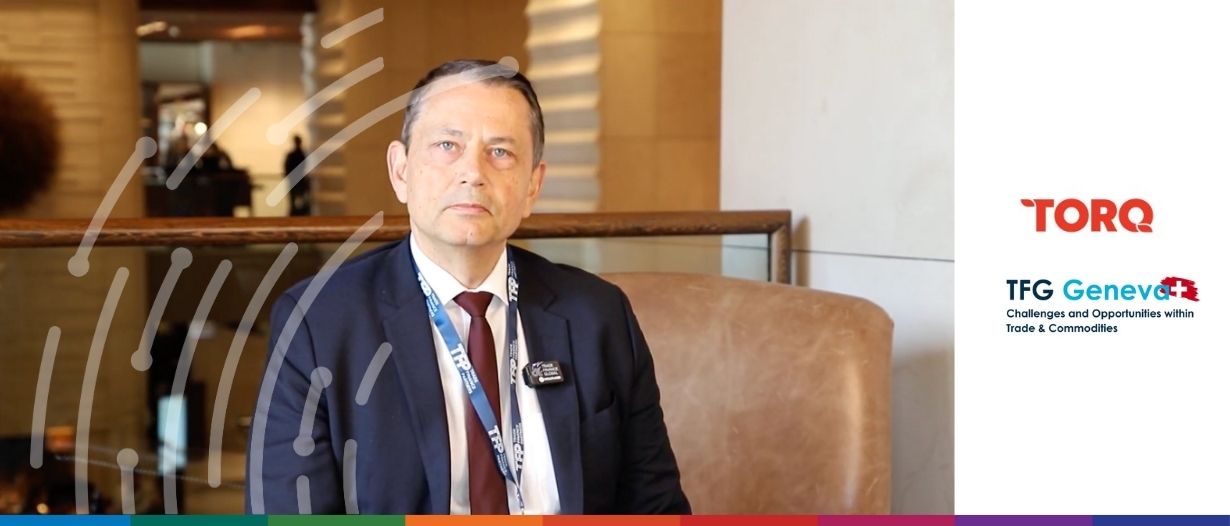
The evolution of trade finance presents a multifaceted landscape of opportunities that demand strategic attention. At the inaugural TFG Geneva conference, Alexander Peters, Group CFO at Torq Commodities, identified several converging trends that are fundamentally reshaping the sector, each carrying profound implications for how capital flows and risk is managed across global supply chains.
The integration of environmental, social, and governance (ESG) key performance indicators (KPIs) with trade finance mechanisms, for one, represents a move beyond the regulatory book; it encompasses genuine sustainability objectives. Peters also highlighted regenerative financing as a parallel development that seeks to actively restore ecological and social systems.
What is regenerative finance?
Regenerative finance describes finance for projects designed to increase prosperity through environmental and nature regeneration, whilst providing community benefits and a more sustainable future. The process uses money in ways that support systemic restoration, social equity, and ecological resilience. This distinguishes regenerative finance from conventional sustainability approaches that primarily focus on reducing negative impacts.
Regenerative finance systems leverage financial capital in service of multiple forms of capital: including social, material, living, intellectual, experiential, spiritual, and cultural resources. Many projects incorporate blockchain technology for purposes including simplifying payment tracking, embedding automated smart contract functionality, and making monitoring, reporting and verification transparent and credible.
Within trade finance specifically, regenerative principles are manifesting through innovative mechanisms. Institutions are developing regeneration-linked financial instruments that tie capital to regenerative outcomes, alongside decentralised financial infrastructure helping bridge liquidity gaps in sustainable supply chains. The International Finance Corporation’s (IFC) Global Trade Supplier Finance Program offers sustainability-linked pricing connecting receivable discount rates to the environmental and social performance of suppliers: 73% of disbursements in fiscal year 2025 have been in sustainability-linked facilities.
Crypto and digital assets
As forementioned, Peters highlighted how the crypto economy and digital assets market are converging with traditional capital markets, an approximation which creates both opportunities and complexities for trade finance practitioners. Underpinning all of these developments is the growing influence of artificial intelligence (AI) within the commodity space.
—
These trends imbricate: they will only define the future of trade finance simultaneously. Success in this evolving landscape requires organisations to develop integrated strategies that address sustainability imperatives, technological disruption, and market transformation simultaneously.