









-
The Qatar Chamber has urged companies to register with the TIR system to move goods through the land border with Saudi Arabia amid disruption in the Strait of Hormuz.
-
Qatari traders may reroute shipments through Saudi ports such as Jeddah Islamic Port, which recently announced new maritime shipping services.
-
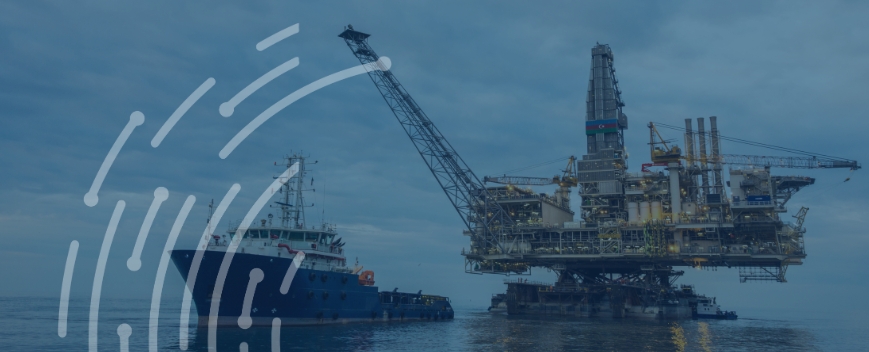
The effective closure of the Strait of Hormuz has sharply reduced shipping traffic and disrupted global LNG flows, with Qatar supplying a significant share.
On Saturday, 7 March, the Qatar Chamber announced they will facilitate the movement of goods through Qatar’s land border with Saudi Arabia, calling on shipping companies operating in the country to register with the International Road Transport (TIR) system.
This is aimed at limiting the impact felt by Qatari businesses due to the effective closure of the Strait of Hormuz. As of today, the Strait is at a standstill – only two vessels not linked to Iran or Russia have been spotted on the waterway in the last 24 hours.
The statement, backed by Qatar Chamber Chairman Sheikh Khalifa bin Jassim al-Thani, came in cooperation with the General Authority of Customs. They announced the provision of alternative solutions, including customs facilities designed to support the private sector and the fast-tracked completion of customs procedures via the Saudi Arabian land border.
Saudi Arabian ports, located both on the Strait of Hormuz and the Red Sea, offer an alternative for Qatari traders. The Jeddah Islamic Port, which accounts for 75% of Saudi Arabia’s trade, recently announced to host two new maritime shipping services in partnership with global shipping companies Maersk and Hapag-Lloyd. With these new developments, the Port is expected to reach nine major regional and international ports.
The TIR is an international customs transit system which safeguards the payment of customs duties and taxes through its guarantee mechanism, aiming to reduce the costs associated with cross-border trade. Including 76 countries globally, it has been proven to cut transit times by up to 80% and costs by up to 38%. Through a mutually recognised multilateral system, the TIR allows for goods to transit to their country of destination in sealed containers subject to customs control.
According to the Chamber, the arrangement for companies to register with the TIR is accompanied by the electronic TIR (e-TIR) system. Implemented in 2025 in integration with Qatar’s Al Nadeeb Electronic Customs Clearance System, the platform allows for the accelerated completion of customs procedures and transactions, eliminating paper documents in transit operations.
Sea freight is traditionally recognised as a cost-effective form of trade, accounting for 80% of the global transport of goods. It’s also better suited for the transport of large vessels, particularly for the transit of liquified natural gas (LNG) which needs to be stored at around -83°C in order to remain in liquid form. Qatar is the world’s second largest producer of LNG and 20% of the global supply passes through the Strait.
The Strait of Hormuz, which normally carries around 3000 ships a month, has been deemed closed by Iranian officials since the ignition of conflict last week, with traffic across the Strait reaching its lowest levels.