












- Indian customs detained at least 46 containers at Nhava Sheva Port after Chinese walnuts were falsely declared as Afghan to exploit SAFTA’s zero-duty provisions, with one arrest made over alleged duty evasion of ₹50 crore.
- Investigators found that traders had forged shipping documents, including the house bill of lading, to disguise the walnuts’ Chinese origin, despite packaging that still bore Chinese markings.
- While SAFTA grants Afghanistan duty-free access to India, walnut imports from other countries face a 100% tariff to protect domestic growers, particularly in Kashmir, amid wider tensions over India’s recent trade agreements.
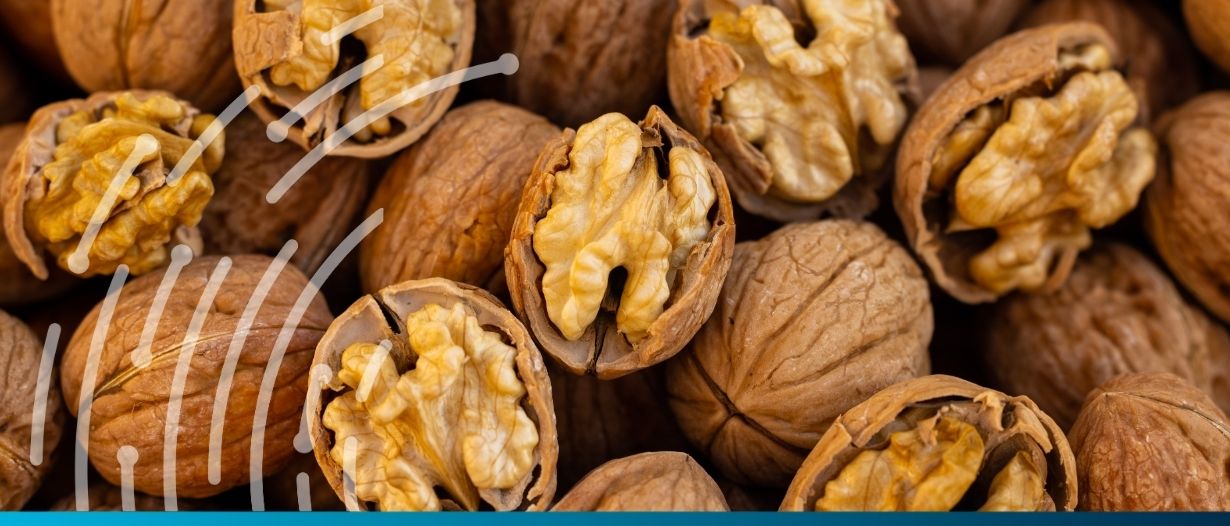
At least 46 containers remain held at the Nhava Sheva Port in Mumbai, India, after customs officials found imported Chinese walnuts were falsely declared as Afghan, benefiting from the zero import duties of the South Asia Free Trade Area (SAFTA).
The ship, laden with 310 containers of dry fruit, is claimed to have originated from the Bandar Abbas Port in Iran. Customs officials detained the vessels after being alerted by India’s Department of Revenue Intelligence (DRI), which received “specific information” regarding the misdeclaration of origin on 2 February.
According to the Customs Intelligence Unit, so far, one person has been arrested, after investigations revealed a duty evasion of ₹50 crore (around $5.4 million). An importer hasn’t yet claimed the shipment.
Trade Finance Global (TFG) heard from Peter Hopkins, CEO at DRUM Risk Limited, who explained how places of origin can be falsified. “Sanctions busting or misrepresenting declared inventory is as long as the hills, from containers registered as pasta containing Italian fashion, to sanctioned commodities such as Cuban sugar in the past, and now Russian oil,” said Hopkins.
In the case of the walnuts, traders forged the transit documentation, particularly the house bill of lading (HBL), a shipping document issued by a freight forwarder or a Non-Vessel Operating Common Carrier (NVOCC).
“This disguise can take the form of transhipment between vessels, switching or altering a bill of lading (BL), or transferring ownership of goods upon discharge, hiding the actual origin of goods. The finances, as designed, are extremely opaque, in particular if there is a chain of companies or traders along the supply chain,” explained Hopkins.
These were uploaded into India’s e-Storage and Computerized Handling of Indirect Tax documents (e-SANCHIT) and Indian Customs Electronic Data Interchange (EDI) System (ICES), the country’s portal for electronic commerce that handles almost 99% of India’s international trade.
The fabricated documentation created a route from Bandar Abbas to other ports in the Gulf, but the packaging still held Chinese markings. As Afghanistan is a landlocked country, it’s common for Afghan goods to travel across nearby ports such as Iran’s.
The agreement for SAFTA outlines the rules of origin for trade between participating countries. It highlights that a product must be “wholly produced or obtained” in a country to qualify as having originated from there.
More specifically, this encompasses raw or mineral products extracted from the soil of the exporting territory, agricultural products harvested there, and animals born and raised or hunted there.
This isn’t the first time walnuts have made headlines in India. In late December 2025, 8,000 kilograms of in-shell walnuts shipped from the US to India were seized by customs authorities, following a memo that stated the alleged undervaluation of goods.
The memo also referred to DRI intelligence that US-origin walnuts were brought in with invoices issued from countries such as the UAE, Canada, and Indonesia, declaring a lower duty for the goods than their true value.
In June 2025, a similar situation occurred as a Surat-based businessman was arrested for evading import duty as a result of the undervaluation of Chilean walnuts.
“Importers need increased due diligence, or will face severe consequences for importing,” warned Hopkins.
SAFTA and protecting regional agriculture
Under SAFTA, which has been in effect for two decades now, least developed countries (LDCs) like Afghanistan enjoy 0% customs duties on most exports to India. According to the United Nations (UN), this is because SAFTA recognises “the need for special and differential treatment for LDCs.” This customs exemption is pronounced for agricultural goods.
However, outside of SAFTA’s zero-duty benefit, India imposes a 100% duty on walnut imports as a means to safeguard its own growers, particularly in Kashmir, where around 90% of all Indian walnuts are grown.
—
India’s recent trade agreements have put its agricultural sector in the spotlight, particularly the impending one with the US. The EU-India Free Trade Agreement (FTA), signed in January, treated agricultural goods with caution. The upcoming India-US agreement, expected to be finalised in March, would involve the heavy cutting of import tariffs on US goods.
Sensitive areas such as dairy will be protected; however, the deal involves eliminating tariffs completely for US wine and tree nuts, which includes walnuts.
Earlier this month, Indian farmers gathered to protest Prime Minister Narendra Modi’s deal with the US, referring to it as a “surrender” to US President Donald Trump, amplifying the ongoing tension felt by the Indian agricultural sector.