













China’s Ministry of Transport (MoT) and provincial authorities are stepping up their crackdown on container lines engaging in freight rate filing violations, in the fourth cycle of an enforcement programme… read more →
At least 46 containers remain held at the Nhava Sheva Port in Mumbai, India, after customs officials found imported Chinese walnuts were falsely declared as Afghan, benefiting from the zero… read more →

One of the most common causes of delays and penalties at the border is incorrect tariff classification. Global tariff classification is based upon the harmonised system (HS) nomenclature, published by… read more →
The 2026 edition of The Economist’s annual ‘The World Ahead’ report was released online on 10 November 2025. Between political sentiment in the US, the growth in popularity of weight… read more →
The annual Trade Register from the International Chamber of Commerce (ICC) in collaboration with Boston Consulting Group (BCG) and Global Credit Data (GCD) has been released, analysing the landscape for… read more →

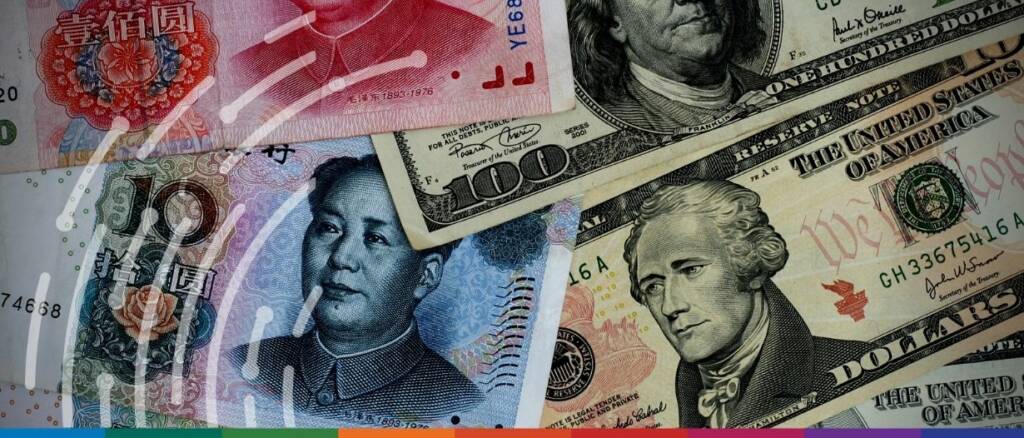
China’s currency – the renminbi (RMB) – is finding new appeal among emerging market traders and global investors seeking alternative settlement options.
It’s hard to ignore the continued growth and influence coming out of Asia for trade. Asia’s trade growth continues to surge, with the Asian Development Bank (ADB) forecasting 5% growth in 2024, driven by strong domestic demand and recovering exports. Regional integration and modern trade agreements are enhancing resilience in key sectors like food and technology. Asia also benefits from rising demand for tech exports, particularly semiconductors, driven by AI. However, risks such as geopolitical tensions and protectionism remain.

China experienced a 7.5% decline in exports in May compared to the previous year, while imports were down by 4.5%, signalling a deceleration in the economic recovery post the lifting… read more →
Finance Minister Choo Kyung-ho of South Korea has dismissed the notion of decoupling from China, emphasising the significance of the world’s second-largest economy as Seoul’s “most important partner” for economic… read more →

The United States Dollar has been the de facto global currency for the better part of the past century. While rhetoric questioning its longevity in this role has been around for decades, the past year has seen more leaders of rapidly emerging economies beginning to question why it still needs to be this way.