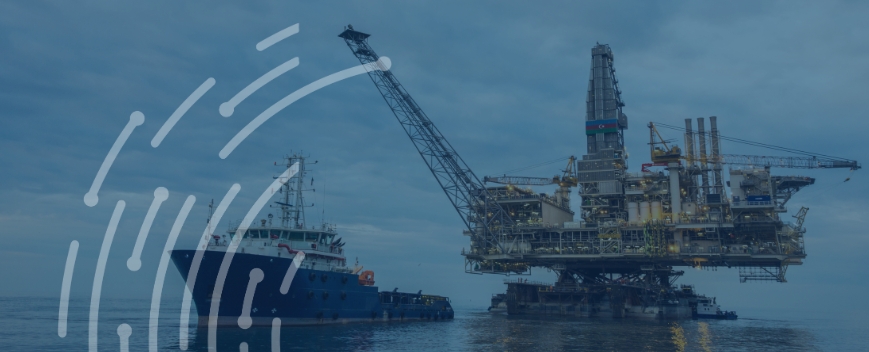










- Women make up less than 2% of the global cargo shipping workforce due to longstanding structural barriers, safety concerns, and an industry culture historically designed around men.
- Sexual harassment and violence are widespread at sea, with an estimated 80% of surveyed UK seafarers reporting that they had experienced or witnessed such incidents in 2025.
- Organisations like Safer Waves support affected seafarers and advocate for industry-wide reforms, including clearer reporting systems, training, and stronger leadership accountability to create safer maritime workplaces.
Around 90% of global trade is dependent on shipping, and while traders are largely aware of this number, there is often a disconnect between the transactions driving shipping, and the individuals that spend weeks to months at sea.
Being on board a ship means being in an enclosed environment, far removed by one’s trusted surroundings. For women who work in shipping – historically a male-dominated space – this unfortunately equates to potentially finding yourself in unsafe, defenceless situations.
Ignorance about these risks, or attributing them to the nature of the work, can cause voiceless suffering; pain that gets suppressed. The goods crowding supermarket aisles may be aligned with environment, social, and governance (ESG) standards, but their transport might be witnessing deep misogyny, violence, and silencing.
This is why charities in the industry are essential: no one should have to face sexual violence at sea alone. Trade Finance Global (TFG) spoke to Jessica Brannan, CEO at Safer Waves, on dangers faced by women who work in shipping, how charities can support them, and what the larger industry can do better.
Silvia Andreoletti (SA): Could you introduce us to the issue of gender equality in the maritime industry, especially in cargo shipping? How can it be that women make up such a tiny proportion of seafarers globally?
Jessica Brannan (JB): Seafaring remains one of the most gender-imbalanced industries in the world, with women estimated to make up less than 2% of the cargo shipping workforce.
Historically seafaring has been viewed as ‘men’s work’, physically demanding with long periods away from home, alongside a lack of female representation. From long contracts that clash with caretaking responsibilities, still unevenly distributed to women, to personal protective equipment (PPE) being designed for men’s bodies, the industry hasn’t developed with women’s needs in mind.
However, one of the biggest barriers women face is safety at sea. The lack of private or safe accommodation, unclear or unenforceable policies on harassment, and the potential that there may not be any other woman on board, can result in women feeling unsafe in the industry.
This is reflected, not only by how many women are at sea, but also by recruitment and retention being low, with many leaving due to negative experiences.
Taken together, these structural and cultural barriers signal that cargo shipping remains an environment in which women are not fully supported to enter, remain, or thrive.
SA: How widespread is sexual harassment in the industry? What makes the problem so prevalent, and so harmful (especially compared to sexual harassment on land)?
JB: We are living in a time where violence against women and girls persists globally. The maritime sector is not immune to this, and the unique environment on board can create conditions conducive to sexual violence, while also compounding its implications.
In a 2025 Safer Waves survey across UK seafarers, out of 276 respondents, 80% reported that they had experienced or witnessed some form of sexual violence.
This is due to a multitude of factors, including a male-dominated workforce, rigid hierarchies, strong reliance on colleagues, differing cultural norms, inconsistent procedures and support mechanisms, and isolation.
In most land-based settings, people rarely live, work, and socialise with the same individuals, all day, every day. On board a ship, however, this is the reality. Colleagues know your daily routine, control when and where you work, and who you work with. They can influence your pay and even determine the future of your career.
Crucially, there is no option to simply leave: you might be confined to the same environment for days, weeks, or even months at a time.
These conditions not only increase the risk of sexual violence, but they also create powerful barriers to reporting, effectively silencing those affected.
Working at sea also involves prolonged separation from trusted friends and family. Experiencing and processing sexual violence alone can take a great strain on people. Thoughts of self-doubt go unchecked, the necessary validation isn’t there, and the support to take action is missing.
Because individuals cannot remove themselves from the environment, report incidents safely, or access effective support mechanisms, sexual assault at sea assumes a uniquely severe and enduring form, extending beyond a single event into a sustained lived experience.
SA: How does Safer Waves help people who have been affected by sexual assault on merchant ships?
JB: Safer Waves first and foremost exists to support seafarers who have experienced sexual violence at sea. We have a confidential support email, ‘[email protected]’, that seafarers can contact us on at all times.
Each email is assigned a unique ‘Client ID’, with names and email addresses redacted to protect their identity. A dedicated and experienced team of volunteers, drawing on backgrounds in seafaring, support work, and psychology, respond to all enquiries within 72 hours.
We are led by the needs of the individual, whether that be emotional support, practical guidance, or a referral for legal advice. We provide a safe and supportive space that understands the nuances of working at sea.
Safer Waves supports and advocates for people who have experienced sexual violence at sea, while inviting the maritime industry to join us in creating change. Through awareness and training on prevention and response, we aim to create a safer and more accountable workplace at sea.
SA: What difficulties do victims often encounter when reporting an instance of assault on a commercial vessel?
JB: While those who experience sexual violence at sea face many of the same difficulties as individuals on land, the on board environment significantly intensifies these challenges.
Reporting at sea is further complicated by pronounced power imbalances and the risk of retaliation. Hostile working environments, differing cultural norms and legal frameworks, and limited opportunity to preserve forensic evidence create additional barriers. Many seafarers also witness other complaints being handled poorly, which builds a distrust in procedures and reporting. Where the person responsible holds a senior rank, or controls sign-off or references, individuals might get concerned about not being believed, and about the implications reporting might have for their career… Remaining on board together can also undermine feelings of safety, and limited access to specialist services may restrict the collection of forensic evidence.
SA: Would you say that the problem with high rates of sexual assault and other forms of violence (eg. verbal assault, experienced by 40% of female seafarers annually – twice the proportion of men affected) is due to individual crew members and ships, or with the industry as a whole?
JB: Unequivocally, individual accountability is non-negotiable. Those who perpetrate sexual violence are fully responsible for their actions, and failure in supervision or oversight cannot be used as an excuse or to deflect that responsibility.
Leadership within the maritime industry must also take responsibility for the environment they create and tolerate. This requires a public acknowledgement of the scale of sexual violence at sea, and a clear, visible commitment to addressing it. Leaders must be brave and name the issue, enforce consequences, and set and actively model clear expectations about what will and will not be tolerated.
Where leadership fails to challenge this behaviour decisively and consistently, it becomes normalised. Inaction carries consequences. Without firm, sustained leadership, harm will continue.
SA: What reforms need to be enacted on an industry level to solve the problem? (Eg. industry guidelines, legislation, gender quotas)
JB: At present there is no common language across the maritime industry to talk about sexual violence. With there being different languages, cultures, and legal frameworks, there are many grey areas for what is deemed appropriate or inappropriate. Industry-wide guidelines are necessary to ensure complaints are properly recognised, and are managed in a fair and consistent way, rather than being left to individual discretion and potential personal bias.
We need to provide the workforce with the knowledge and skills needed to prevent and respond to harm onboard. Safer Waves works closely with maritime colleges and cadets through our Active Bystander training, ensuring they understand their rights and responsibilities, and are equipped to safely intervene if required.
Safer Waves also provides responder-training, upskilling those who support and work directly with seafarers, enabling them to respond to disclosures of sexual violence with compassion, professionalism, and care.
Finally, where meaningful steps haven’t been taken to create a safer work environment, there must be an ethical consideration around the active recruitment of more women. Expecting women’s presence alone to change the preexisting culture places an unfair burden on them. Cultural shift requires men and women to work as allies, challenging harmful behaviour, and taking collective responsibility for creating safer workplaces at sea.
SA: Besides increasing awareness, is there anything that players in the broader trade industry – such as trade finance firms, insurers, or commodities traders – can do to help?
JB: While ship operators and regulators carry the primary responsibility, the broader trade industry also has an important role to play in improving safety at sea. They can support education and upskilling, and encourage training for crews and shore staff to understand their rights, responsibilities, and best practices for preventing and responding to sexual harassment.
These players can also advocate for consistent guidelines and reporting procedures throughout the shipping sector. By promoting a widely understood and applied approach, they help reduce the grey areas that can leave seafarers vulnerable, and ensure complaints are handled fairly and transparently.
It is equally important to recognise and listen to those already working to tackle sexual violence. Drawing on insights from frontline organisations ensures that policies and practices are informed by real-world experiences, rather than by assumptions or incomplete understanding.
Finally, the wider maritime and trade sector has a critical role to play in prevention, not just response. Through mechanisms such as underwriting decisions, corporate partnerships, and supplier assessments, the industry can actively incentivise practices that prioritise crew safety.
By using their influence to clearly signal that abusive behaviour is unacceptable, these stakeholders can set consistent expectations for operators and crews, supporting a shift towards a safer, more accountable culture at sea.