















-
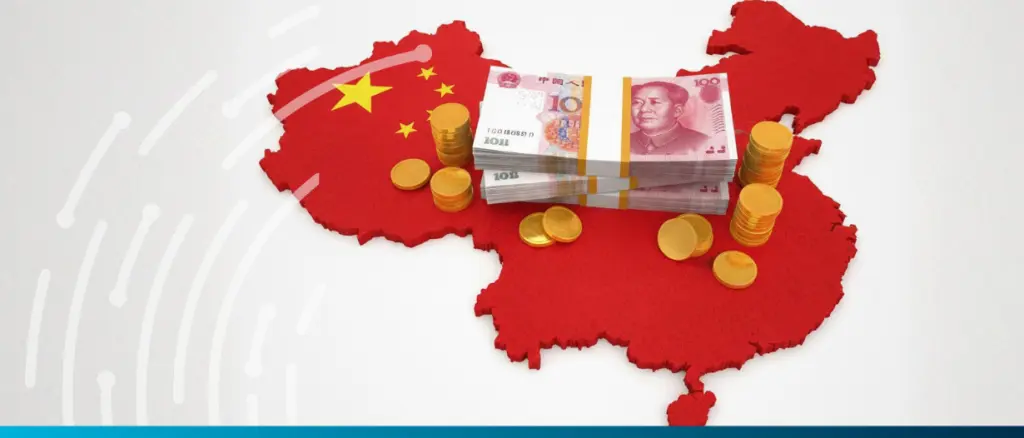
The Hong Kong Monetary Authority is doubling its yuan liquidity facility to 200 billion yuan to support increased demand for the currency in international trade.
-
Shifting dynamics in the region, including a stronger yuan and yen, are creating uncertainty regarding the future dominance of the US dollar.
-
Financial experts anticipate that the yuan’s internationalisation will accelerate throughout 2026 as it begins to be viewed as a “safe haven” currency.
Hong Kong plans to double its supply of yuan for banks to borrow, announced the Hong Kong Monetary Authority (HKMA) on Monday, 26 January.
This comes amid shifting currency dynamics across the region, with the yuan surging to its highest against the US dollar in 32 months, the Japanese yen recently dragging the US dollar and suggesting a coordinated intervention, and the Singaporean dollar reaching its strongest since October 2014.
HKMA’s announcement confirms that the RMB Business Facility (RBF) is increasing from 100 billion yuan to 200 billion yuan (approximately $28.8 billion), effective from 2 February.
The previous 100 billion yuan quota was fully used by the 40 participating banks; such measures help banks offer cheaper yuan financing to companies for trade, capital expenditure, and working capital. Notably, it intends to boost global use and channel yuan into international markets, including the Association of Southeast Asian Nations (ASEAN), the Middle East, and Europe.
China’s yuan also reached an almost three-year peak against the dollar, as the People’s Bank of China (PBoC) set the yuan to dollar reference rate at 6.9929 – the first time, since May 2023, that it has been set stronger than 7 yuan against the dollar.
The yen is also on the rise, as its recent peak at almost 154.22 per dollar put markets on alert on Monday morning. As a source told Reuters, the New York Federal Reserve conducted rate checks on the dollar and the yen on Friday, a move that is historically seen as the forebearer of an intervention.
Japanese Prime Minister Sanae Takaichi followed this on Sunday by saying that her government would support the yen against abnormal market movements, implying that the US and Japanese authorities may be planning to force the yen’s value up.
This comes ahead of US President Donald Trump’s upcoming Federal Reserve meeting and the anticipated announcement of the new Federal Chair, with many investors worried over whether the new Fed will favour dovish policies and low interest rates.
Meanwhile, the recent weakness of the US dollar pushed the Singapore dollar to an 11-year high. The currency gained 0.3% as the potential involvement of US authorities in Japanese foreign exchange (FX) and the looming Fed announcement created doubt over the US dollar.
These shifts in currency strengths – particularly the growing weakness of the dollar and the rise of the yuan, alongside other Asian currencies – indicate that a dawn with Asian trade conducted in local currencies is not far off.
“We see yuan internationalisation accelerating in 2026 as the yuan is gradually emerging into a ‘safe haven’ currency, backed by its strong economic and trade fundamentals,” said Becky Liu, head of China macro strategy at Standard Chartered Bank Plc.