








-
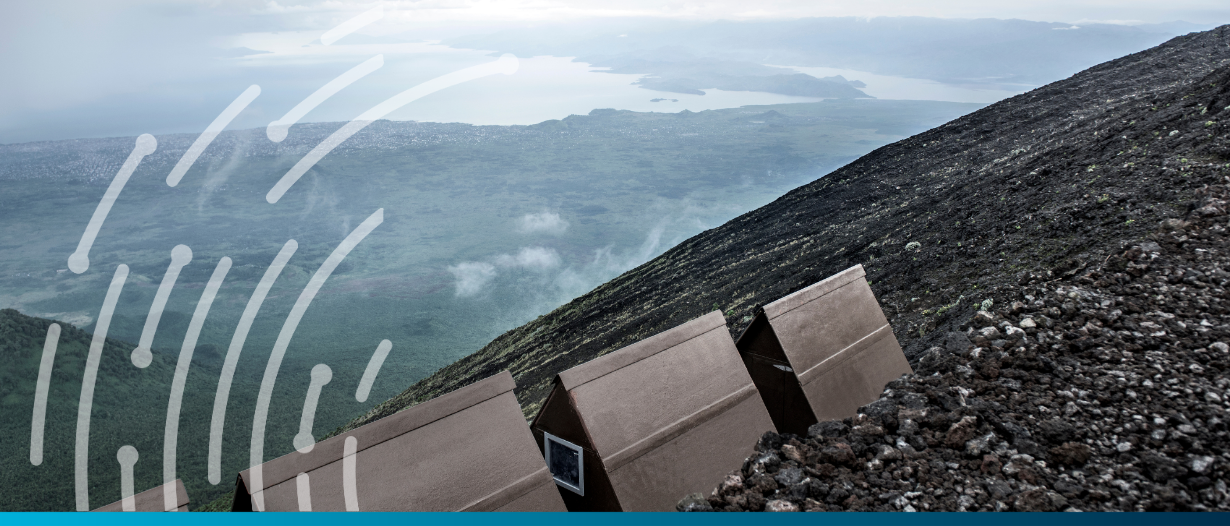
The Democratic Republic of the Congo has halted mining in South Kivu for three months amid concerns over illegal extraction.
-
Officials will inspect mining sites linked to unregulated artisanal operations, which have been associated with armed groups, smuggling, and lost state revenue.
-
The move follows wider efforts to tighten control over the country’s critical minerals sector, vital to global tech and renewable energy supply chains.
The Democratic Republic of Congo (DRC) has suspended mining operations in its eastern province of South Kivu for three months, following growing suspicion over illicit mining activity, as revealed in a directive issued on Friday, 22 May.
This comes as concern mounts over the extraction of valuable minerals such as gold, cassiterite, and coltan, without adherence to formal regulatory standards. During the suspension period, authorities will conduct a special inspection mission led by the General Inspectorate of Mines, anticipated to identify operators suspected of illicit mining.
The DRC is the second largest producer of copper globally, and is home to around 70% and 60% of the world’s cobalt and lithium reserves, respectively. The central African nation is crucial for high-tech manufacturing and renewable energy supply chains.
According to the Congolese government, the illegal mining and export of ores sap state revenue and amplify the already increasing pressure to secure critical minerals supply chains.
The suspension is particularly important for the Mwenga and Shabunda territories, both known for prominent levels of unregulated artisanal mining activity – informal, manually-intensive small-scale mining conducted without official licensing and outside of large mining companies.
The process is often linked to social issues such as conflict, environmental degradation, child labour, and health problems.
Last year, the DRC banned the trading of minerals from artisanal mining sites, after evidence surfaced suggesting that supply from illegal mining was financing armed groups in the east.
More than 120 armed groups operate in eastern DRC, including the Rwanda-backed March 23 Movement (M23) rebel group. With its objective framed as safeguarding the Congolese Tutsi minority – who fled to the DRC following the 1994 Rwandan Genocide – the M23 controls significant mineral-heavy territories across eastern DRC.
The region’s mineral wealth, particularly from coltan, cassiterite, and gold, has long been used to fund violence, particularly by rebel groups who establish parallel administrations across seized territories.
In 2024, the United Nations (UN) revealed that rebels controlling the coltan-mining region of Rubaya imposed a production tax, generating around $300,000 in monthly revenue.
Additionally, minerals illegally mined in eastern DRC are smuggled through Rwanda, then exported to major processing countries like China.
However, the line between legitimate and illegitimate mining in the DRC is frequently blurred. A 2022 UN Security Council report documented factions within the country’s national military forces collaborating with rebel armed groups to benefit from gold mining.
Just days before the recent suspension, the government revoked 90 mining titles covering mines across over 12,000 square kilometres. Officials said the permits of non-compliant or inactive operators would be recovered for new investment into mining.