










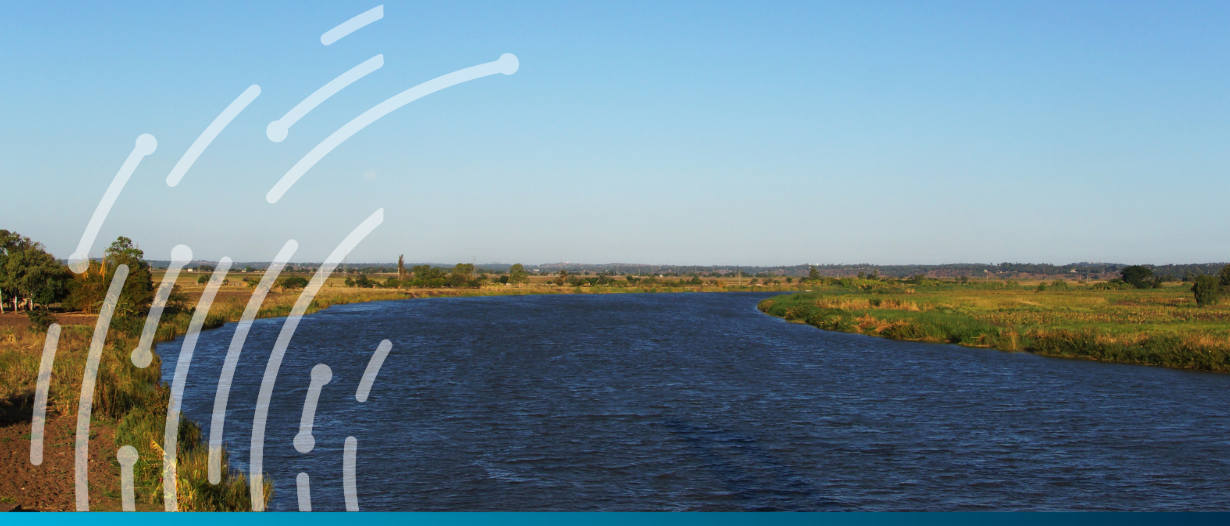

- Mozambique’s parliament has demanded the immediate closure of illegal mines in Manica province after mercury, lead, cadmium, and arsenic were found contaminating rivers and reservoirs supplying local drinking water.
- Investigators found both illegal and licensed mining operators violating environmental and labour standards.
- The parliamentary inquiry recommended stricter security and border controls, biometric registration for artisanal miners, and independent water-quality audits.
Mozambique’s parliament has called for the immediate shutdown of all illegal mining operations in the central province of Manica, after widespread mercury contamination was found in drinking water sources used by local communities.
The Parliamentary Commission of Inquiry (CPI), established in December 2025 after the country’s mineral resources inspectorate found that mining activity was poisoning the Revue river and Chicamba reservoir, presented its findings to the Assembly of the Republic on Saturday, 9 May.
Analyses of the affected waterways detected not only mercury, heavily used in artisanal gold washing, but also lead, cadmium, and arsenic.
Even licensed companies flout basic environmental standards, operating without waste containment systems or restoration plans, abandoning equipment on site, and breaching labour laws.
The findings take further a 2022 study by researchers at Mozambique’s Púnguè University, which found that constant burning of mercury in Manica had increased soil mercury concentrations. Mining has been polluting nearby rivers, including the Revue, which feeds directly into the Chicamba reservoir and the region’s water treatment plant.
In the Manica district alone (which has 338 small-scale mining sites, of which 288 are active), more than 10,000 people are estimated to be exposed to mercury through gold mining and refining activities; health effects include neurological damage, memory loss, personality change, and birth defects.
The problems associated with mineral governance in Mozambique are not new. In the northeastern Nampula province, criminal proceedings have been opened against four individuals allegedly involved in a deadly raid on a mining company in December. According to a local non-government organisation (NGO), more than 40 people died in the incident, the majority of them illegal miners, though this figure is still unconfirmed.
Mozambique loses an estimated $50 million annually to illegal trafficking in gold and precious stones, according to the Ministry of Mineral Resources and Energy.
Smuggling is also a serious concern, particularly in northern and central provinces, as a result of a weak border between Mozambique and Tanzania. In the northernmost Niassa province, 30 to 40 kilograms of Mozambique-produced gold are lost every month.
The CPI has recommended regular independent audits of water quality, with particular attention to fish stocks. The parliamentary report calls for a stepped-up military and security presence in mining zones, tighter controls on the smuggling of explosives and hazardous chemicals across borders, and the introduction of biometric registration for artisanal miners.
It also urges a national awareness campaign on the dangers of mercury and cyanide use.
The UNODC has previously warned that illicit mining proceeds feed into money laundering and terrorism financing networks, particularly in the conflict-affected north.