








One of the global trends is that the net-positive gains from financial integration is quite uneven. Like many parts of the world, ASEAN is facing multiple global challenges under a “VUCA” environment; being volatile, uncertain, complex, and ambiguous.
There is, so far as I am aware, little or no precedent for what the UK is attempting to do: seeking to reduce unfettered access to its closest and most important market – which also happens to be one of the world’s two largest. In 2018, 46% of the UK’s exports went to the EU, and 54% of UK imports came from it. Almost all countries in the world try to make trade deals, not dismantle them.
International companies are facing the dual challenge of uncertainty and transformation in how they source, produce, transport, sell and trade their goods and services. The question is how can they get ahead of the curve and thrive in this changing environment.
Despite today’s climate of rising trade tariffs and falling trade volumes, UniCredit’s Global Head of Global Transaction Banking, Luca Corsini, claims we have reason to remain optimistic for trade finance revenues in the coming months, pointing to the rising need for security in trade transactions, the rise of digital platforms to simplify and expand service provision, and continued infrastructure development stemming from Asia.
EORI numbers – or economic operator indicator numbers – are essential for exporters. Based off a company’s VAT number, an exporter needs an EORI in order to complete a Customs Declaration. Till now, UK businesses have not needed to complete such documentation in order to sell into Europe, but this will change with Brexit.
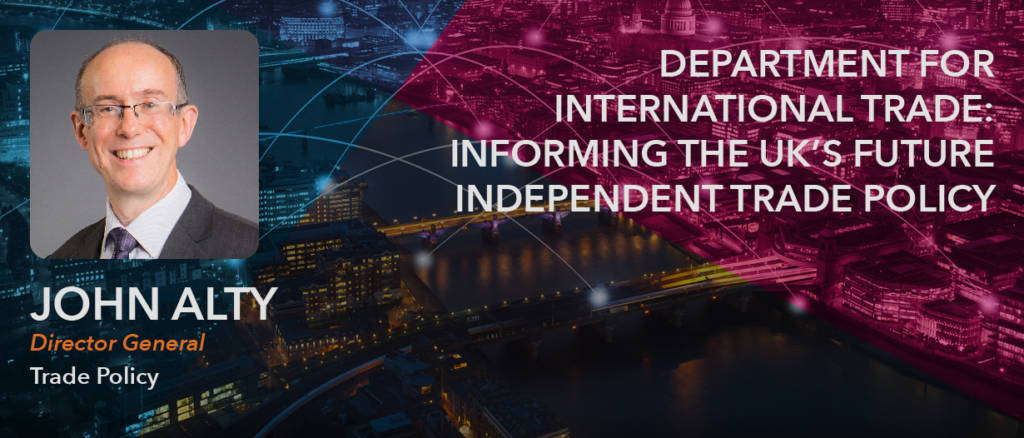
Our departure from the EU will give the UK the ability to take control of its own independent trade policy for the first time in more than 40 years.
Despite today’s climate of rising trade tariffs and falling trade volumes, UniCredit’s Global Head of Global Transaction Banking, Luca Corsini, claims we have reason to remain optimistic for trade finance revenues in the coming months, pointing to the rising need for security in trade transactions, the rise of digital platforms to simplify and expand service provision, and continued infrastructure development stemming from Asia
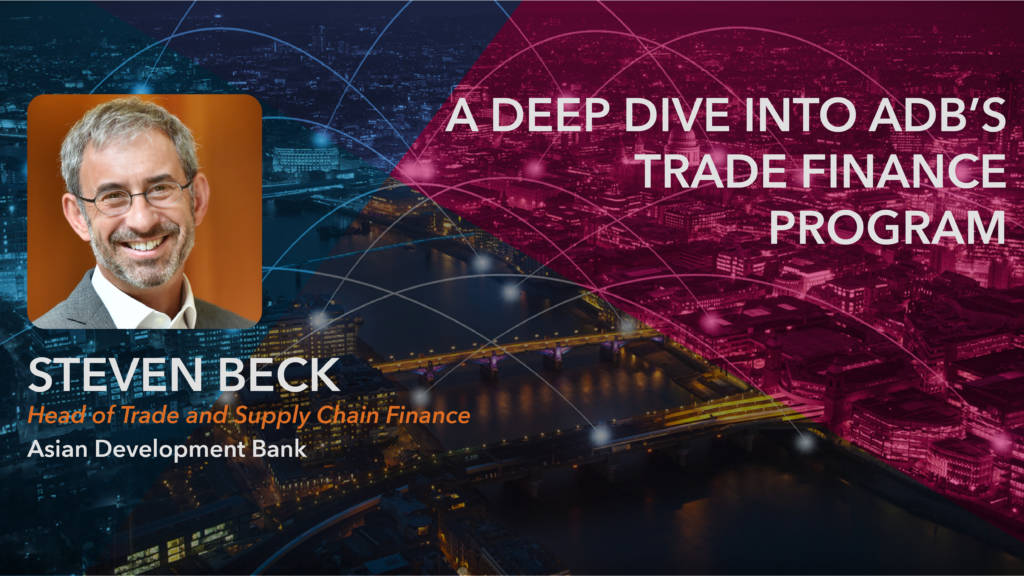
In 2012, Asian Development Bank’s Trade Finance Program (TFP) commissioned a unique study, the first of its kind, to understand and quantify the unmet demand for trade finance, known as the global trade finance gap. Over the years, TFP has updated this study to quantify and inform policymakers and market participants about the main drivers for this persistent trade finance gap.
TFG spoke to the leading trade, banking, forfaiting, factoring and open account industry bodies to get an update on the key projects, initiatives and milestones from 2019.
The International Chamber of Commerce (ICC) has released Incoterms® 2020, the globally recognised trade terms for the sale of goods, providing certainty and clarity to business and traders everywhere. The… read more →