







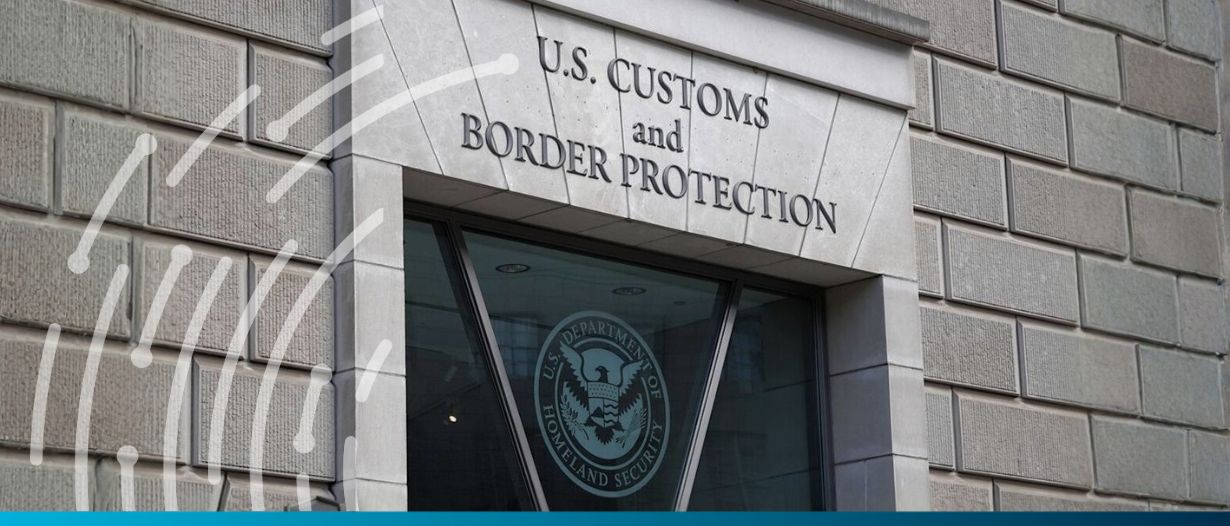

- US Customs and Border Protection (CBP) will stop collecting tariffs imposed under the International Emergency Economic Powers Act from 24 February
- The Supreme Court of the US ruled 6–3 that Donald Trump had exceeded his authority.
- Within hours, Trump invoked Section 122 of the Trade Act of 1974 to impose a new 10% global tariff, later raised to 15%.
US Customs and Border Protection (CBP) will cease collecting tariffs imposed under emergency powers from tomorrow, Tuesday, 24 February. This follows last Friday’s Supreme Court ruling that US President Donald Trump had exceeded his authority in deploying the International Emergency Economic Powers Act (IEEPA) to impose sweeping tariffs on Liberation Day last April.
The agency notified shippers via its Cargo Systems Messaging Service that all tariff codes linked to Trump’s IEEPA-related executive orders would be deactivated, implementing the court’s directive with a three-day delay.
Within hours of the 6-3 decision, Trump signed an executive order imposing a new 10% global tariff under Section 122 of the 1974 Trade Act – a provision never previously invoked – before escalating the rate to the statutory maximum of 15% over the weekend. He dismissed the Supreme Court ruling as “extraordinarily anti-American.”
“Trump intends to use this period of time to weaponise trade with renewed vigour in pursuit of his America First agenda,” Marco Forgione, Director General of the Chartered Institute of Export and International Trade, told Trade Finance Global (TFG).
The suspension does not affect tariffs imposed under Section 232 national security provisions or Section 301 unfair trade practices statutes, leaving duties on steel, aluminium, and a range of Chinese goods intact. It is expected that more investigations will follow to delegate IEEPA tariffs into one of these categories.
According to Penn Wharton Budget Model, IEEPA-based tariff collections total approximately $175 billion to $179 billion, and contributed over 50% of customs duties in the past year. While the Supreme Court’s decision does not explicitly order refunds, that this money was collected illegally does open the door to refund claims.
“We should also anticipate the launch of a range of new trade investigations by the US into suspected unfair trade practices, with the risk of even higher tariffs being imposed,” pointed out Forgione.
This turbulence has placed trading partners in the lurch, including the UK, which now faces higher effective tariff burdens – 15% from the 10% negotiated last May – than before the court intervened. The UK has firmly opposed a trade war in the past, but has said that “nothing is off the table” at this stage.
Importers typically have 180 days to request refunds from the CBP. Given that they have provided no guidance as to the potential refund process for importers, the announcements from the US have caused “greater concern and uncertainty” after a “period of relative stability,” said Forgione.
The judgment, he said, raised more areas of opacity. “What about the deals agreed with the US after ‘Liberation Day’? Do the exclusions on products such as pharma remain in place? What happens after the 150-day limit under which these tariffs have been announced?”
For domestic exporters, “we have already been in touch with several UK exporters who are looking to increase exports, in case market access to the US becomes more expensive,” he said. “Companies looking to follow suit will need to factor in the cost of warehousing, which is likely to see a rush of demand.”