












- UBS is winding down several invoice finance funds, many of which have significant exposure to the bankrupt US car parts company, First Brands.
- UBS has over $500 million in exposure to First Brands, with one O’Connor fund having 30% of its portfolio indirectly tied to the company.
- First Brands has secured a $1.1 billion loan to continue operating and is suing its founder for fraudulent activity and misappropriation of funds.
UBS will wind down a number of funds by the end of the year, many of which have significant First Brands exposure, the Financial Times reported on Thursday.
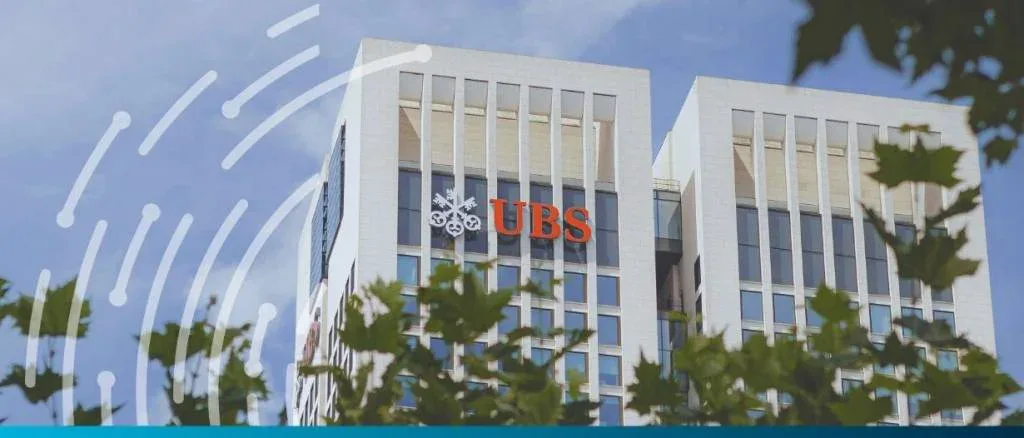
The Swiss bank has over $500 million in exposure to the US-based car parts company, which declared bankruptcy in September amid controversial accounting practices that may have obfuscated the true extent of its liabilities. UBS is now liquidating several invoice finance funds of its Chicago-based subsidiary, hedge fund unit O’Connor. The O’Connor Working Capital Finance funds were set up to “bridge funding gaps, reduce supply chain risks, and support global trade investments.”
While UBS has assured investors that the First Brands collapse will not impact the bank’s balance sheet, an O’Connor fund specialising in invoice finance has a 30% exposure to First Brands, some of which was indirect and split between the company’s customers.
UBS will monetise 70% of this fund by the end of the year and fully liquidate a lower-risk fund that was not tied to First Brands, the Financial Times reported.
On Friday, First Brands won final approval from a US court to access a $1.1 billion loan, which should enable it to keep operating despite the bankruptcy. The unusual agreement enables the company to continue working instead of being forced to rapidly liquidate its assets, which would likely yield far lower payoffs for creditors.
The company is also suing its founder and former CEO, Patrick James, for allegedly borrowing hundreds of millions of dollars under fraudulent terms and misappropriating the funds to bankroll his lifestyle. The suit also alleges that First Brands had been fabricating invoices, falsely claiming the amount of an invoice was “ten or more times higher” than its true value in order to obtain more funding.
James has categorically denied the allegations.