



The Liberation Day tariffs, an extensive tariff regime that would have seen the US impose levies as high as 40% on imports from a range of countries, including China and the UK, were set to go into effect today, after a 90-day break announced in April.
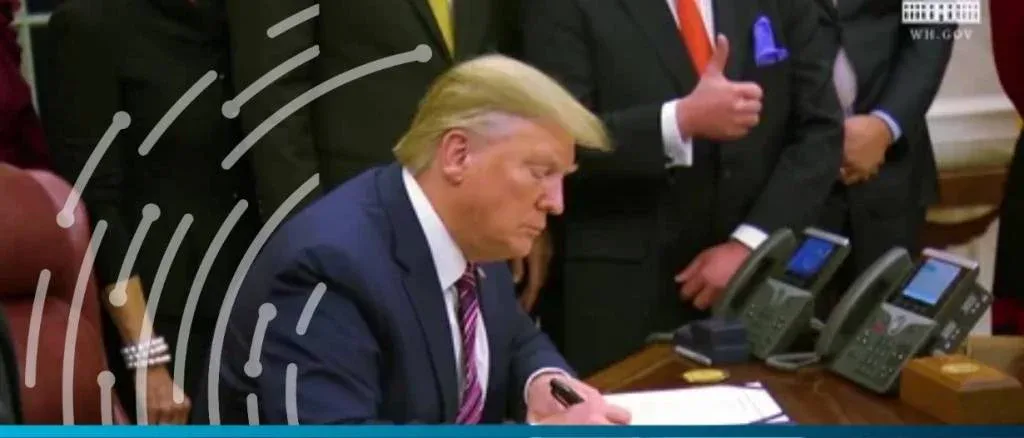
Instead, US President Donald Trump announced on Monday, 7 July, that the tariffs wouldn’t go into effect until 1 August, with a possibility of further extensions to accommodate potential new trade deals. In letters sent to the leaders of 14 countries that would be affected by the tariffs, the President reiterated the threat of further tariffs – in some cases, higher than those announced in April – as well as the possibility of lower rates if a trade deal was negotiated.
The delay comes as the US, which had been hoping to use the threat of steep tariffs to force countries to the negotiating table, has struck far fewer trade deals than the “90 deals in 90 days” Trump had originally promised. Treasury Secretary Scott Bessent is hoping the delay will give the US more time to negotiate with other countries, the Wall Street Journal reports.
However, apart from two much-hailed ‘trade deals’ with the UK and Vietnam (which, beyond their meeting agendas, are yet to materialise into anything), the US hasn’t had much success in lowering other countries’ alleged trade barriers. Instead, countries seem to become more and more doubtful of the tariffs, which economists have estimated will hit the US as hard as its trading partners – potentially leading to a 1% loss in US GDP in the long run.
Markets have fallen slightly after the announcement, but remained relatively stable compared with the turmoil in stock prices, foreign exchange (FX) markets, and shipping costs seen when the original Liberation Day tariffs were announced and then postponed. The flexible 1 August deadline is expected to give businesses even more time to adapt to the effect of the tariffs; the possibility of more delays that would push the impact of tariffs back again would lessen their short-term impact even further.
However, the new rates could lead to further confusion, with some hardest-hit countries seeing lower rates while others, many of them major US trading partners, are being imposed slightly higher rates. Laos and Myanmar, for example, both of which were originally set to receive 48% and 44% tariffs, respectively, would see that number lowered to 40% according to the recent letters. Japan and Malaysia, on the other hand, are being threatened with slightly higher tariffs at 25%, compared to an original 24%.
The increasing uncertainty about tariffs’ levels, timings, and impact could destabilise global trade as businesses face increasing risks and struggle to adapt to the frequent policy u-turns. This “will impact the entire business up to the finance function, complicating forecasting and budgeting efforts,” said Elias Apel, CEO of Lucanet, a CFO software solutions provider. Uncertainty and instability have become “pervasive in the global market,” said Apel – exponentially increasing the complexity of global trade.