










-
The US has revived and expanded its GSM-102 credit scheme with Nigeria, aiming to boost agricultural trade.
-
Nigeria’s renewed eligibility comes amid declining domestic farm output driven by conflict, which have weakened productivity and fertiliser use.
-
Both the US and Nigeria are emerging as alternative energy suppliers amidst disruption in the Strait of Hormuz.
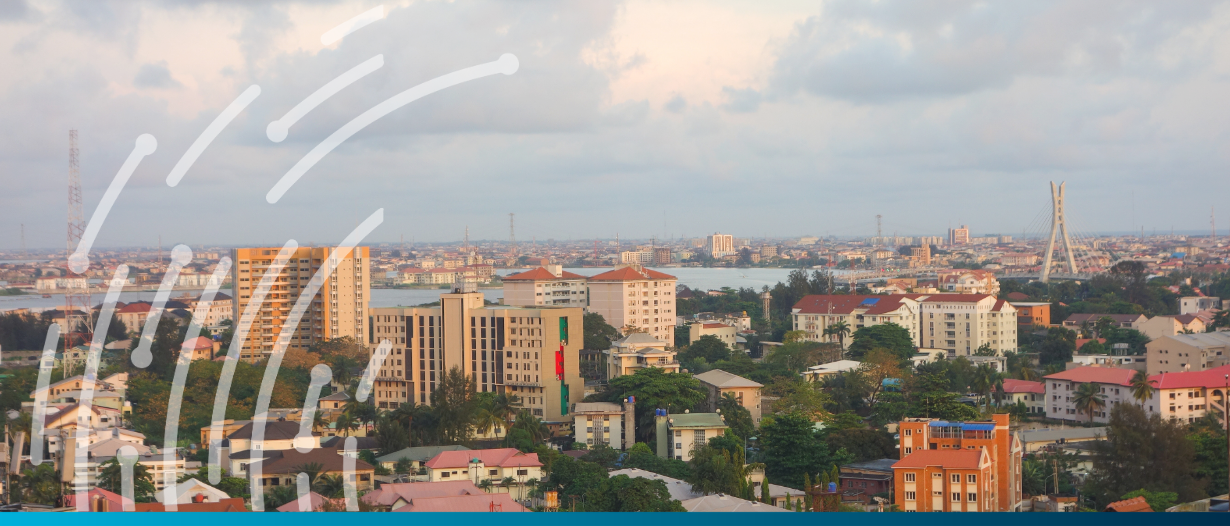
On Friday, 24 April, the US Consulate General in Lagos, Nigeria, concluded a two-day event formally expanding the revitalisation of its Export Credit Guarantee Program (GSM-102) for Nigeria, aimed at deepening the US’ agricultural trade with the West African nation.
The GSM-102 provides US state-backed credit guarantees for importers sourcing agricultural goods from the US. The programme is intended to reduce risk for lenders, encouraging the financing of US agricultural exports into developing countries. For years, Nigeria’s participation in the programme was effectively dormant. However, in late 2025, the country regained eligibility to participate.
The programme, administered by the US’ Foreign Agricultural Service on behalf of the Commodity Credit Corporation (CCC), issues credit guarantees by using dollar-denominated letters of credit (LCs) that cover credit terms of up to 18 months. The guarantees typically cover around 98% of principal and a share of interest. The CCC selects the agricultural product by looking at market potential, and determines its eligibility according to legal and regulatory requirements.
The new development was explored during the event in Lagos, which brought together US officials with Nigerian stakeholders. During the event, US Consul General Rick Swart highlighted the move as a “clear shift, from aid to trade.”
Nigeria’s largest share of agricultural imports comes from the US. In 2025, the trade balance between the two countries shifted significantly: what was once a $1.5 billion trade deficit for the US grew into a $1.8 billion surplus. US exports to Nigeria grew by over 58%, while imports from Nigeria decreased by 13%.
Nigerian agricultural production has declined steadily over the past five years, with its share of GDP dropping from 29.4% in 2021 to 25.9% in 2024. This is primarily due to the challenges experienced by Nigerian farmers amidst domestic political instability and conflict.
Herder-farmer conflicts between Fulani (a predominantly Muslim ethnic group in Nigeria) and non-Fulani farmers in Nigeria have largely shaped the fate of Nigerian smallholder farmers for almost two decades. Both the Muslim-majority communities and Christian minorities in northern Nigeria have also been subject to violence by Boko Haram, leading to a US military intervention.
A 2025 study published in the Journal of the International Association of Agricultural Economics explores how violent conflict influences yield responses and profitability of fertilisers, finding that armed conflict results in low yield responses to nitrogen. According to the study, farmers in conflict-affected areas use less fertiliser, as conflict drives up the cost of buying and makes transport more challenging.
As a result, Nigeria isn’t a key exporter of agricultural products. Its main commodity export is crude oil, as Nigeria is home to Africa’s largest oil refinery, the Dangote Refinery. Since the effective closure of the Strait of Hormuz, the refinery has increased its output to maximum capacity at 650,000 barrels per day.
The US, too, is emerging as an alternative energy supplier amid disruption. The superpower’s crude and petroleum product production reached a record high of 12.9 million barrels per day last week. It has increased its global oil exports to countries in Africa, including South Africa.
The increased ties between the US and Nigeria aren’t limited to trade. The US is in the process of constructing a $537 million consulate building in Eko Atlantic, a planned city in Lagos. This is projected to be the largest US consulate in the world, further cementing the two countries’ deepened relationship.