














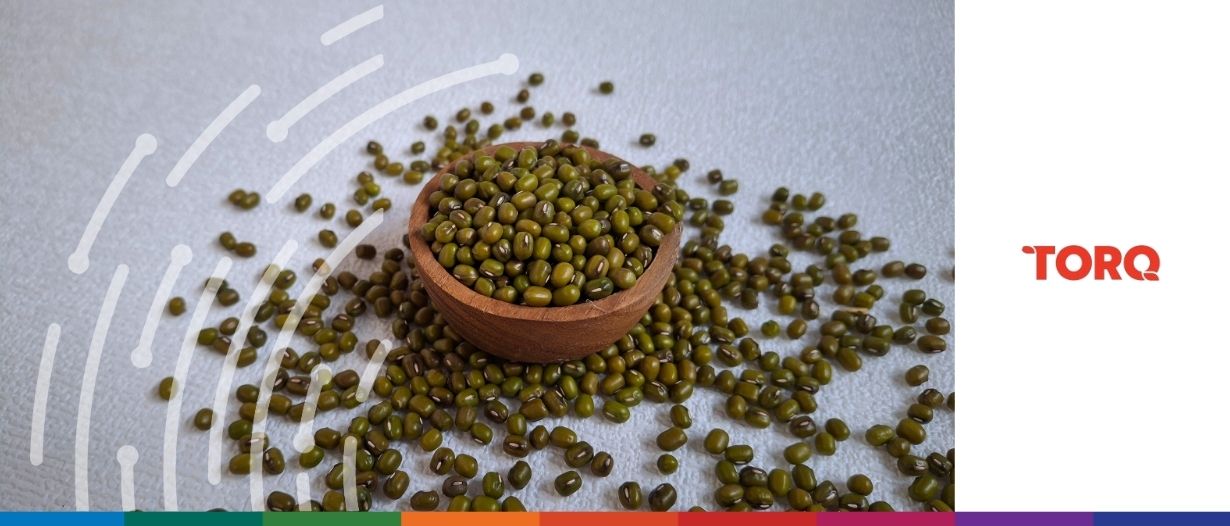


- A global shift towards plant-based diets is essential to meet rising food demand while reducing environmental impact and supporting the UN’s zero hunger goal.
- Plant-based proteins use significantly fewer resources and produce far lower greenhouse gas emissions than animal agriculture, making them a more sustainable solution for Asia’s growing population.
- Expanding plant-based production, improving supply chains, and increasing investment in sustainable agriculture are key to strengthening food security and reducing poverty in the region.
The world’s population is projected to reach 9.7 billion by 2050, which requires approximately an 80% expansion of global agricultural production. This is the only way through which the United Nations’ (UN) zero hunger goal can be achieved.
In 2025, an estimated 8.2% of the global population experienced hunger, meaning they didn’t have access to healthy food. The introduction of sustainable consumption and production processes is a crucial segment of the UN’s Sustainable Development Goals (SDGs).
As a result of accelerating climate change and the planned phase-out of fossil fuels and crude oil, there is also a need to increase the material and energy use of plant-based raw materials. This demand is likely to further intensify competition for available agricultural land and food production, which, in the medium-term, will lead to significantly higher food prices, countering the zero hunger goal.
Therefore, ensuring the provision of sufficient quantities of high-quality food requires both new production concepts and a shift towards a more plant-based diet.
Plant-based diets, agriculture, and emissions
Global demand for meat is projected to grow by 50% by 2050. Meeting this demand through animal-based meat would deplete natural resources such as land and water, while expanding greenhouse gas (GHG) emissions. Animal agriculture is responsible for around 25% of net GHGs, particularly of methane and nitrous oxide.
Alternative proteins – meat and seafood made from fermentation, plants, or animal cells – generate significantly less pollution, and use comparatively minute amounts of land and water. For instance, producing an ‘impossible’ burger – which uses a soy-based patty – instead of a conventional beef burger patty, reduces the process’ GHG emissions by 89% and its land use by 96%.
In South-East Asia, the problem is a bit more critical. With an additional 164 million people by 2050, the region will need plant-based proteins, largely due to the high rates of vegetarianism in the region, but also as a fundamental solution to food security. Geopolitical tensions, particularly in the Middle East, are further intensifying the pressure on global food systems.
Livestock farming requires 10 kilograms of plant protein to produce just one kilogram of animal protein. One kilogram of beef requires 25 kilograms of feed, 15,000 litres of water and produces 300 kilograms of CO₂ equivalents. Legume crops, by contrast, require only one kilogram of seed, 1,800 litres of water, and produce five kilograms of CO₂.
For the over 700 million people in the region, 240 million of whom are at risk of being pushed into poverty over the next decade, this is the difference between food and hunger.
Innovation meets tradition
Innovators are developing ‘precision nutrition systems’, which leverage individual data, such as genetics, lifestyle, metabolism, and environment, to deliver personalised dietary strategies. These systems, often powered by artificial intelligence (AI), provide detailed guidelines, including complete amino acids and optimal fatty acid profiles.
In India, where research on pulse protein – high-quality, plant-based protein derived from legumes – dates back to 1905, these technological innovations are modernising the traditional sector.
New sources of protein, such as mung beans, fungal mycelium, and algae oil, complement locally grown crops such as jackfruit and banana buds. One of the best sources of protein is edible nuts and seeds, which are not only rich in healthy fats and vitamins but also excellent sources of plant-based protein. They can be easily incorporated into a daily diet alongside other foods, whether as a snack or as an ingredient in one’s favourite dish.
According to the UN Food and Agriculture Organization, in 2024, 37% of the over 500 fish stocks that they monitor were being overfished. In this age of overfishing, algae oil offers a groundbreaking solution in dietary supplements and food safety. Algae is a potent source of omega-3 fatty acids, meaning fish that feed on algae and algae oil are healthy food options.
By consuming algae oil, individuals can help combat overfishing while avoiding the intake of heavy metals and animal-derived ingredients in vegan diets. It is the sustainable answer to one of the greatest nutritional deficiencies in our society.
There are two market segments that share the same goal of high-quality food availability, yet have different approaches. Urban centres such as Singapore, Bangkok, Kuala Lumpur, Jakarta, Mumbai, and Delhi show a strong demand for premium products. In contrast, rural regions demand more affordable, nutrient-rich staple foods that bolster food security and combat protein deficiency and malnutrition.
High-protein trading
The plant-based, high-protein food sector is currently experiencing a real boom, driven both by the pursuit of sustainability and the growing global importance of food security. This has become a key focus for commodity finance banks, particularly in South and South-East Asia.
As a result, both cross-border trade and the number of mergers and acquisitions have increased. Large companies are acquiring the production and processing of protein-rich agricultural products to streamline and strengthen their supply chains.
Plant-based proteins, such as soy, pulses, and emerging alternatives like pea protein, offer a more cost-effective and climate-resilient solution. This is crucial in regions that are vulnerable to supply shocks and environmental stress. For commodity traders and financiers, these crops present appealing opportunities, stemming from strong demand, diversified sourcing, and ties to global value chains, including food processing and alternative protein industries. Governments across the region are backing food security and sustainability initiatives, which further encourage investment and trade flows.
In contrast, sustainable fuels and biofuels in the oil and gas industry are primarily driven by policy mandates and are closely linked to agricultural commodities.
Plant-based proteins are emerging as a more stable, demand-driven trading and investment opportunity, well-positioned to assist sustainable farming and food security.
To ensure food security, countries in South Asia and South-East Asia must focus on increasing the cultivation of local agricultural products as a source of protein, as these can be produced cost-effectively and in large quantities.
The rise of plant-based protein and other plant-based foodstuffs is becoming a staple of sustainable food security in the region, helping to combat poverty and famine.
Efforts must also be made to improve supply chains from Africa and other regions. Africa, with an estimated 33 million smallhold farmers, can be a vast resource for agricultural production. However, a significant barrier to the global expansion of farmers across Africa is the lack of access to trade finance granted to small businesses on the continent.
With a trade finance gap of around $120 billion, African farmers are often shut out from the global economy, hindering the region’s potential to contribute to combating food insecurity.
Collaboration between local banks with multilateral development banks is essential to narrowing this gap, and deepening trade and economic ties between Africa and South and South-East Asia is increasingly important for both regions’ battle with food insecurity.