









- The Industry and Exports (Financial Assistance) Bill, debated in Parliament on Monday, aims to raise UK Export Finance’s budget limit, boosting support for UK exporters.
- The Bill proposes increasing the UKEF commitment limit from £84 billion to £160 billion, with no set limit on future increases.
- UKEF’s expansion is expected to benefit small and medium-sized enterprises (SMEs), which make up 88% of businesses receiving UKEF support.
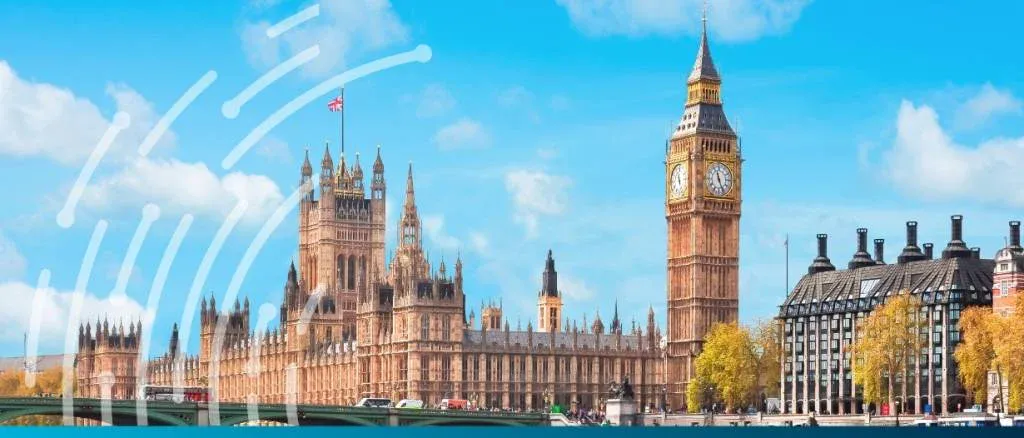
On Monday, 15 December, the British Parliament debated a bill that would increase government industry support and expand the budget of UK Export Finance (UKEF).
The Industry and Exports (Financial Assistance) Bill would raise the statutory limits on the amount of financial support the government can give to industry and exports, effectively increasing UKEF’s budget and capacity to provide export finance. Both the Conservatives and Liberal Democrats said they would support the Bill, making its approval almost certain.
The Bill, proposed by Chris Bryant, Labour MP and Minister for International Trade and Economic Security, is “central to the delivery of the Government’s mission to kickstart economic growth” and represents a key part of the UK Trade Strategy announced this summer.
The legislation would amend the Export and Investment Guarantees Act 1991, raising the commitment limit from the current £84 billion to £160 billion and allowing the Secretary of State for Trade to increase the limit by up to £15 billion each time for an unlimited number of times (up from the current limit of three).
This would not change the way UKEF operates or directly increase its budget. Instead, it would empower the Secretary of State for Business and Trade to increase the amount UKEF can lend to UK exporters.
Only one out of 10 UK businesses currently exports, compared to three out of ten French businesses and nearly half of all German ones. An increase in the UKEF budget is likely to grow the number of UK exporters, especially small and medium-sized enterprises (SMEs): 88% of all companies receiving UKEF funding are SMEs.
“I have specifically spoken to UK Export Finance about looking at new ways to support SMEs. The retail banking sector in the UK also sometimes needs to understand better how it can support small and medium-sized enterprises to export around the world,” said Bryant.
However, some fear the increase in funding may lead to UKEF replacing, not complementing, the retail banking sector. “The UK has a leading export and finance sector, and it can usually cover the commercial risks involved in exports, so UK export finance should be deployed only when no private sector solution is available,” said Dame Harriett Baldwin, Shadow Minister of Business and Trade.
Bryant explainred how UKEF often collaborates with the private sector and is a net profit maker for the Government.