













-
Panama’s Supreme Court has ruled the Hong Kong–based Panama Ports Company concession unconstitutional, ending CK Hutchison’s 25-year control of key Panama Canal ports amid rising US–China tensions.
-
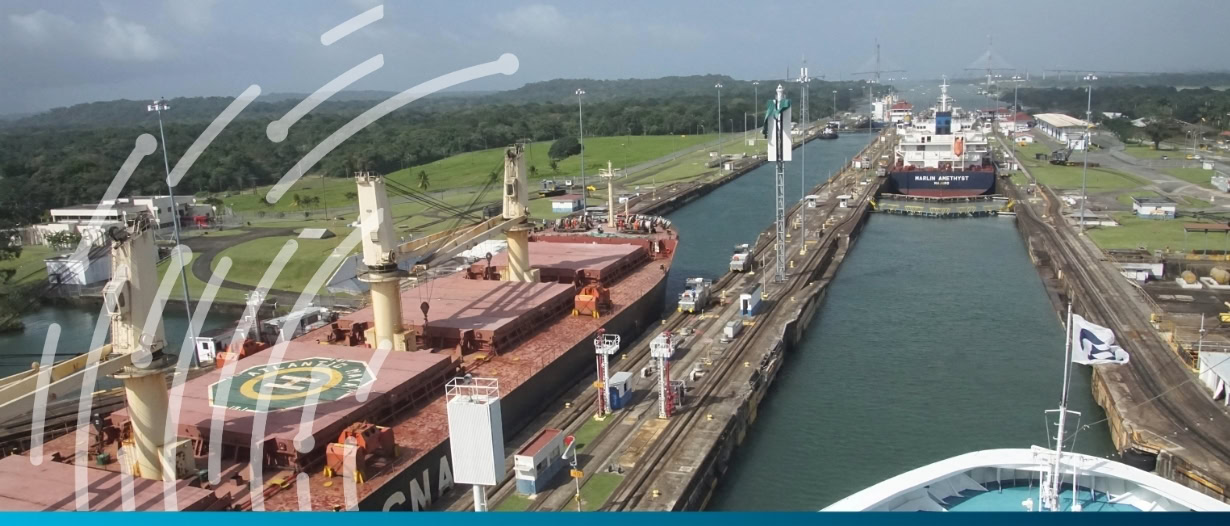
The decision strengthens US efforts to curb alleged Chinese influence over the canal, a vital trade route handling 5% of global trade and 40% of US container shipping.
-
The ruling creates a legal and economic risk for Panama, potentially disrupting exports, canal revenues and global shipping flows if geopolitical tensions escalate.
On Thursday, 29 January, Panama’s Supreme Court ruled that the 25-year concession held by Panama Ports Company – a subsidiary of Hong Kong’s CK Hutchinson Holding – is unconstitutional.
The ruling is a major victory for the US, specifically Secretary of State Marco Rubio, who pressured Panama to remove “Chinese communist party influence” from the Panama Canal’s entry points. The Canal handles about 5% of global trade and 40% of US container shipping.
CK Hutchinson is subject to Chinese financial laws and has overseen the canal since 1997.
The Canal has been a frequent topic of conversation for US President Donald Trump, who claimed in his March 2025 address that the US would be “taking back” the waterway it “ceded” to China.
Panamanian President José Raúl Mulino has rejected this rhetoric, asserting that the waterway “is and will continue to be Panamanian.”
In 2025, CK Hutchison moved to sign a $17.8 billion deal with US investment heavy-lifter BlackRock. Bloomberg reported that BlackRock CEO Larry Fink personally pitched the deal to Trump as a way to mitigate Chinese influence in the Canal. The sale stalled after the Chinese state-owned shipping company Cosco demanded at least 20% stake in the deal – an unacceptable condition for the US.
The recent decision effectively voids the legal basis for the Hong Kong company to operate the Port of Balboa and Port of Cristóbal, its critical gateways. Removal of these concessions has created a legal vacuum, which risks disrupting Panamanian exports and revenue.
The Canal oversaw over 13,000 transits in 2025, contributes 7.7% to Panama’s annual GDP, and makes up over 15% of its annual exports.
A US-China trade war across the canal could divert global shipping to the Suez Canal. In response, Panama is fast-tracking the $1.6 billion Río Indio reservoir to prevent further trade diversions.