













-
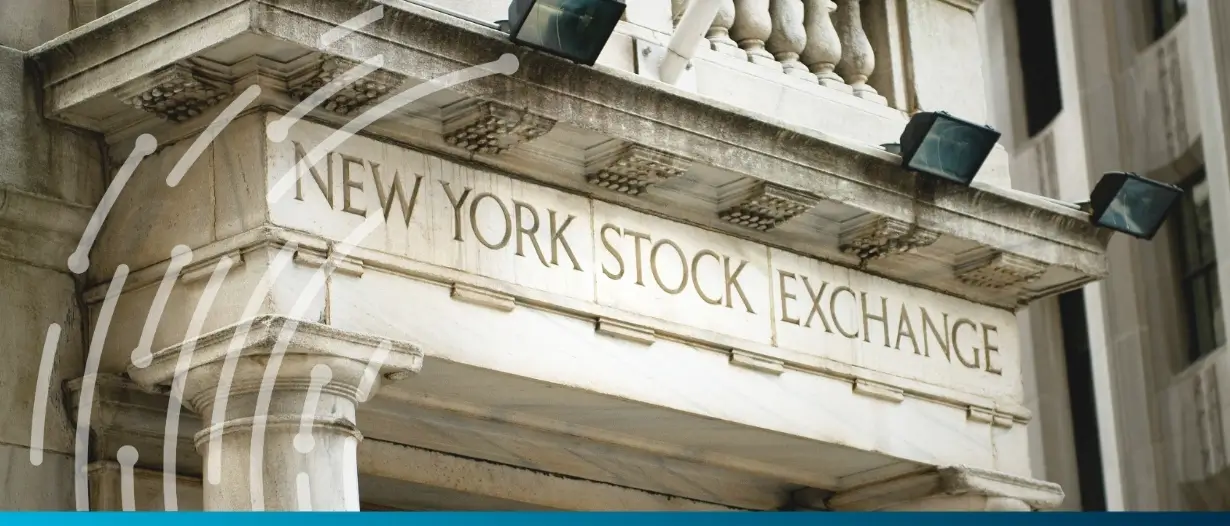
The New York Stock Exchange has announced the development of a platform to enable the 24/7 trading and on-chain settlement of digital assets, such as fractional shares and ETFs.
-
Major financial institutions, including BNY and Citi, are collaborating with the Intercontinental Exchange to support tokenised deposits through clearinghouses.
-
While the tokenisation market is projected to reach $2 trillion by 2030, industry leaders at Davos emphasised that the pace of adoption will depend on regulatory clarity.
On Monday, 19 January, the New York Stock Exchange (NYSE) announced its development of a tokenised securities platform.
While it still seeks regulatory approval, the platform would enable the trading and on-chain settlement of digital assets. This comes just two days before a panel on tokenisation at the World Economic Forum (WEF) in Davos, Switzerland, where tokenisation was discussed as moving toward full deployment.
NYSE’s new platform would allow for the 24/7 trading of US-listed equities, fractional share trading, and exchange-traded funds (ETFs) – ‘baskets’ of different investments bundled into a single product. It would also offer immediate settlement via tokenised capital.
New York banks like BNY and Citi are also partnering with Intercontinental Exchange (ICE) to support tokenised deposits across ICE’s clearinghouses. Clearinghouses operate as a financial ‘middleman’ between the buyer and the seller in guaranteeing the deal.
“For more than two centuries, the NYSE has transformed the way markets operate,” said Lynn Martin, President, NYSE Group. “We are leading the industry toward fully on-chain solutions, grounded in the unmatched protections and high regulatory standards that position us to marry trust with state-of-the-art technology.”
As tokenisation continues to grow as an asset class, with forecasts suggesting a market worth $2 trillion by 2030, regulatory clarity becomes paramount. In the US, the GENIUS Act, which passed the Senate back in June 2025, provided the first substantive federal framework for stablecoins. It requires stablecoins to be backed one-for-one by US dollars or other low-risk assets – establishing rigid standards that ultimately allow for the enduring adoption of stablecoins.
On Wednesday morning, tokenisation was also a hot topic at the WEF. “We are at a major inflexion point,” said Bill Winters, Group Chief Executive at Standard Chartered. “Eventually, all things will settle in digitised form.” He amplified that the speed of adoption will be determined by regulation.