












- Kenyan fintech Kaleidofin completed the country’s first private-sector local currency securitisation for smallholder agriculture.
- They will package farm-input loans into a BBB- rated investment product for institutional investors.
- The deal, created with Apollo Agriculture and backed by the IDH Farmfit Fund, mobilised KES 276 million to support 23,839 Kenyan farmers.
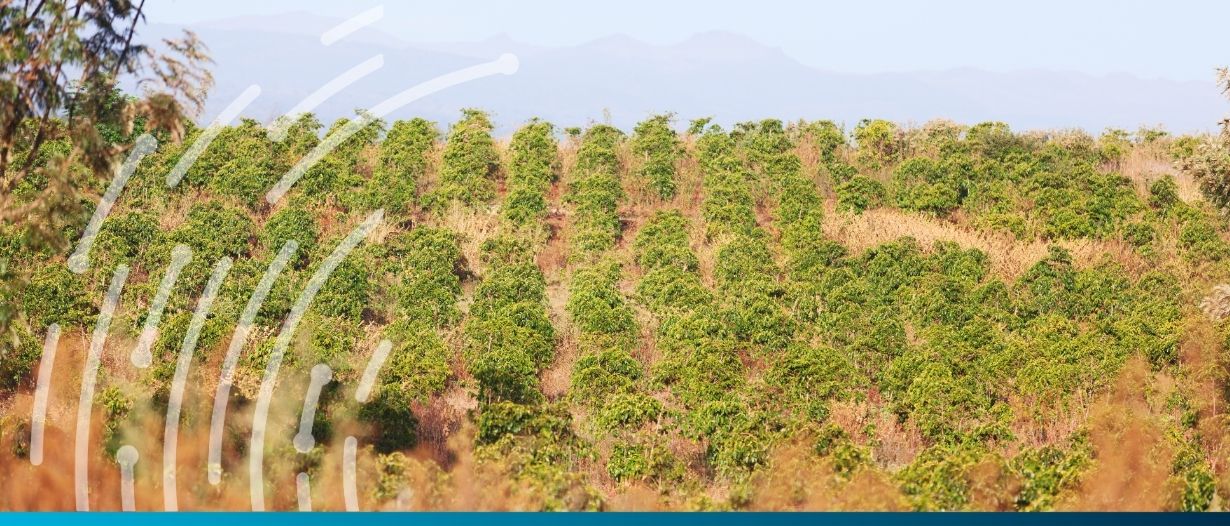
Kaleidofin, a Mumbai- and Nairobi-based fintech, has closed the country’s first private sector local currency securitisation in smallholder agriculture. This novel funding mechanism should get capital to farmers who are usually excluded from formal financing streams.
The transaction securitised a portfolio of farm-input loans with a face value of 370 million Kenyan shillings (KES), mobilising KES 276 million – roughly $2.1 million – through the sale of receivables to institutional investors.
It was structured in partnership with technology-driven Kenyan agri-lender Apollo Agriculture, with the IDH Farmfit Fund acting as anchor investor.
The portfolio covers 23,839 smallholder farmers, of whom 51% are women and approximately 22% are first-time borrowers. As such, the instrument takes strides towards closing the trade finance gap on the continent, which the African Development Bank (AfDB) estimates at an annual $120 billion.
For smallholder farmers in Africa, this gap is an estimated $75 billion – a staggering proportion of the continent-wide gap. And in Kenya, despite contributing to over 25% of GDP and employing millions, agriculture receives less than 5% of total bank lending. Loans are considered too risky for commercial banks, but too large to be viable for microfinance institutions.
With this securitised packaged instrument, Kaleidofin has found a workaround, offering an alternative way of facilitating the flow of capital to those who need it most.
In March 2025, speaking on how best to improve access to finance for Kenyan smallholder farmers, Kenyan Agriculture and Livestock Cabinet Minister Secretary Mutahi Kagwe called on banks to expand risk mitigation tools; on development institutions to strengthen public-private partnerships (PPPs), and on “investors, governments, donors, and the private sector to step up.” This transaction demonstrates how technology and fintechs can be leveraged towards the same end.
The issuance was awarded an investment-grade rating of BBB- by Agusto, a Lagos-based credit rating agency. This demonstrates the potential viability of smallholder lending as an asset class.
It is intended as the first instalment of a multi-year securitisation programme that should mobilise approximately KES 2.37 billion and reach more than 130,000 farmers.
Whether it succeeds will depend in large part on whether subsequent issuances can attract investors beyond the development finance community and establish a secondary market in Kenyan agricultural receivables.