













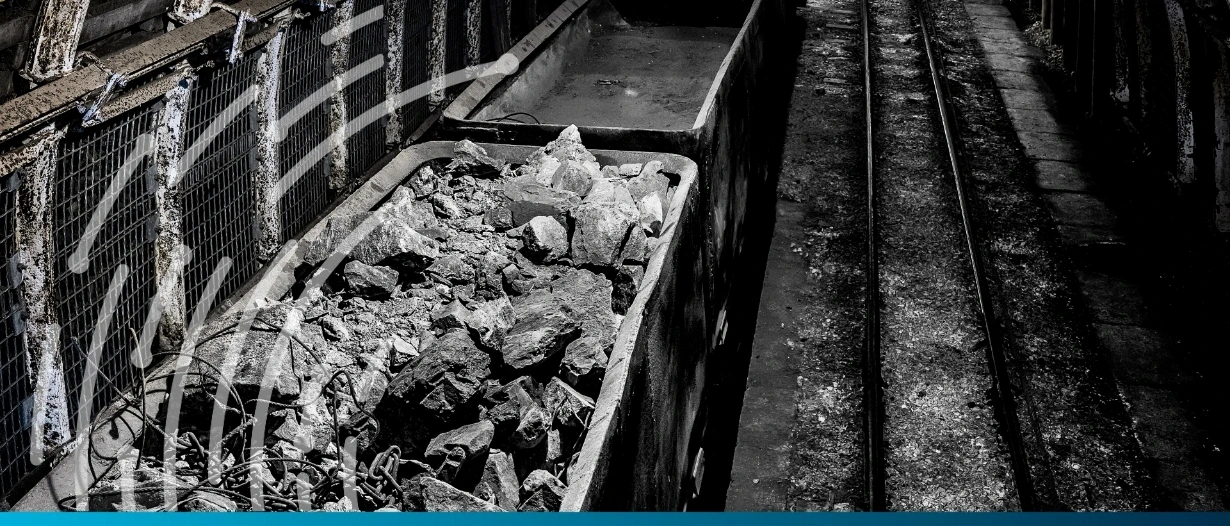

- Indonesia continues to rely on coal as a dependable and cost-effective domestic energy source that safeguards energy security during global geopolitical and supply chain instability.
- The article argues that coal remains essential for powering Indonesia’s nickel smelters, which are critical to supporting the global transition towards electric vehicles and green technology.
- Rather than abandoning coal immediately, Indonesia should focus on practical low-cost innovations such as biomass co-firing, AI-driven efficiency upgrades, and small-scale carbon capture solutions to create a more sustainable energy transition.
Looking at Minister Bahlil Lahadalia’s recent statements on the enduring necessity of coal, emphasising that Indonesia will continue to rely on coal-fired power plants (PLTU) to ensure energy efficiency and keep electricity prices affordable, I found myself humming a classic melody.
It is the tune of “Benci Tapi Rindu” (Hate but Miss You), the 1978 masterpiece written by Rinto Harahap and popularised by the legendary Diana Nasution. The lyrics describe a volatile relationship: you push someone away when life is easy, only to realise you are desperately dependent on them the moment a crisis hits.
Our global relationship with coal mirrors that ballad. When the economic seas are calm, we talk of ‘phase-outs’ and ‘dirty fuel’. We set aggressive net-zero targets and treat coal like a pariah. But the moment the wind stops blowing, a pipeline is sabotaged, or a geopolitical conflict sends oil prices screaming, coal becomes the prima donna again.
It’s reliable, it’s domestic, it’s significantly more cost-effective than oil and gas, and, most importantly, it keeps the lights on.
The reality check: Energy security as a priority
The events of early 2026 have delivered a definitive wake-up call. As geopolitical tensions between Iran, Israel, and the US escalated, the Strait of Hormuz became a focal point of global instability. The threat of supply chokepoints sent Brent crude prices soaring past $115 per barrel, and regional liquified natural gas (LNG) benchmarks followed suit.
When imported oil and gas become instruments of war or victims of geography and geopolitics, nations must prioritise survival over climate sentiment. We saw this in Europe in 2022, when Russian gas supply was cut off following the invasion of Ukraine. Germany and the UK were forced to lean back on coal to keep their industrial heartlands from freezing.
The recent crisis has proven that in a volatile world, you cannot abandon your most reliable domestic energy source just because its replacement is ‘ready’. You must ensure that the replacement is resilient against global conflict.
A blessing in disguise for Indonesia
Indonesia is endowed with abundant coal resources, yet we remain a net importer of crude oil and liquified petroleum gas (LPG).
Every time the Middle East flares up – especially with recent tensions in the Strait of Hormuz – our trade balance is threatened, not only by the rising cost of imported fuel, but also by the sheer uncertainty of supply. For Indonesia, this global volatility is a strategic opportunity.
By utilising Indonesian coal for over 60% of our country’s electricity, we create a ‘strategic buffer’. Coal is a domestic resource paid for in Rupiah, protecting our foreign exchange (FX) reserves from being drained by skyrocketing global oil prices.
Indonesia’s domestic market obligation (DMO) policy requires that at least a quarter of the domestically produced coal is sold in local markets. It ensures Indonesia’s factories and households have a structural demand floor, keeping us insulated from the price shocks currently crippling other emerging markets.
The bottom line: the usage of coal is the primary mechanism ensuring our energy security is well-prepared and defensive.
The “captive” dilemma: Fueling the green revolution
There is a fascinating irony here: the world wants a ‘green’ future filled with electric vehicles (EVs), but it needs Indonesia’s nickel to build them. To turn raw nickel into battery-grade material, our smelters need massive, steady heat that runs 24/7. Right now, only coal-fired captive power plants can provide that level of reliability at the scale we need.
This is the ultimate Benci Tapi Rindu scenario: the global market hates the coal we use in our factories, but it misses (and desperately needs) the nickel those factories produce. We aren’t using coal because we want to be ‘dirty’; we are using it because it is the only energy source strong enough to build the ‘clean’ future the world is asking for.
Affordable engineering: Making clean coal feasible
If we accept that coal remains part of our energy mix for the foreseeable future, the answer is not to ignore it, but to re-engineer it using affordable, modular, and doable technology. We need pragmatic engineering that fits within our national investment budgets, not billion-dollar moonshots.
This is a call to Indonesian scientists and engineers currently working overseas or at home: We need you to bring your expertise and work hand-in-hand to seek solutions. The idea is for both our diaspora and the in-country experts to act as a team – the true agents of growth.
Your collective experience is the key to turning our “Toxic Love Affair” with coal into a sustainable, sovereign partnership.
This can be achieved through cost-effective retrofitting and low capital expenditure (CAPEX) solutions:
- Modular biomass co-firing: Blending coal with agricultural waste using existing boiler infrastructure.
- Efficiency upgrades: Implementing AI-driven combustion optimisation to maximise ‘MWh per gram’, without building new plants.
- Small-scale carbon capture, usage, and storage (CCUS) & gasification: Developing localised units to capture carbon or convert coal to Dimethyl Ether (DME) and compressed natural gas (CNG), directly reducing our reliance on expensive, imported LPG. This is a vital fiscal win that protects our trade balance and reduces the national subsidy burden.
—
The West decarbonised after it industrialised. Asia is being asked to decarbonise while industrialising. This is a different game with different rules. We might hate the carbon footprint, but we miss the reliability the moment global supply chains break.
In an era of Hormuz-related uncertainty, our coal is our anchor to ensure our energy security is operational and effective. Let’s work as a team to innovate with feasible, doable engineering, ensuring that when we finally do transition, we do so from a position of economic strength and national sovereignty, not desperation.