














Global shipping is one of the most challenging sectors to decarbonise. The International Maritime Organization (IMO) has set out an ambitious goal to reduce the industry’s greenhouse gas emissions by 50% from 2008 levels by 2050, a target that will require the swift development of zero or low-emission fuels, new ship designs using cleaner technology, and climate-proof operations such as carbon efficiency optimisation initiatives.

With the expanding use of economic sanctions within and across jurisdictions, lawyers have to consider not just the wording of the relevant economic sanctions but also how regulators will interpret whether certain activity is compliant or not and how courts will reach conclusions.
In late September the pound fell spectacularly from above $1.12 to a new record low of $1.035 versus the US dollar.
It’s true that the dollar had been appreciating for many months, and the pound was one of the most undervalued currencies of the year, but this was news making headlines and front pages around the world, and it was exclusively a domestic problem.
Today, the world is witnessing its most ingrained and confounded global food crisis triggered by heavy inflation, supply chain disruption, and the Russia-Ukraine conflict.
Electronic bills of lading have been around since 1999 and yet are rarely used. The experts at sibos weigh in on some of the challenges facing their adoption and offer advice for overcoming them.
The world is run on transactions. And the world of transactions is changing.
The field of cross-border payments is a vast and multi-faceted area, posing multiple challenges for banks, corporates, and businesses daily. With so many nuances within the sector, it can be difficult for market players to reach a unanimously beneficial solution.
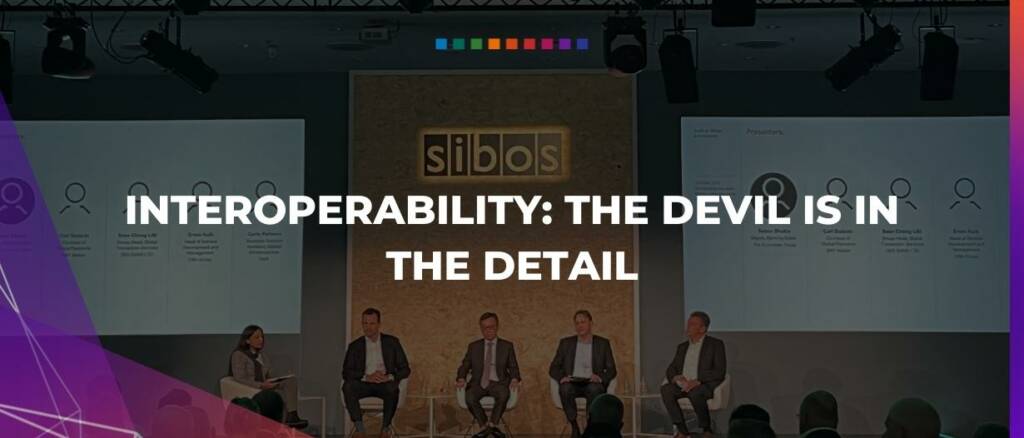
To learn more about the treasury landscape Trade Finance Global’s (TFG) Annie Kovacevic sat down with Colleen Ostrowski (CO) at Sibos, Amsterdam 2022.

Both ‘bill discounting’ and ‘invoice factoring’ are types of financial instruments that are used to provide working capital to businesses from accounts receivables (i.e., unpaid invoices).
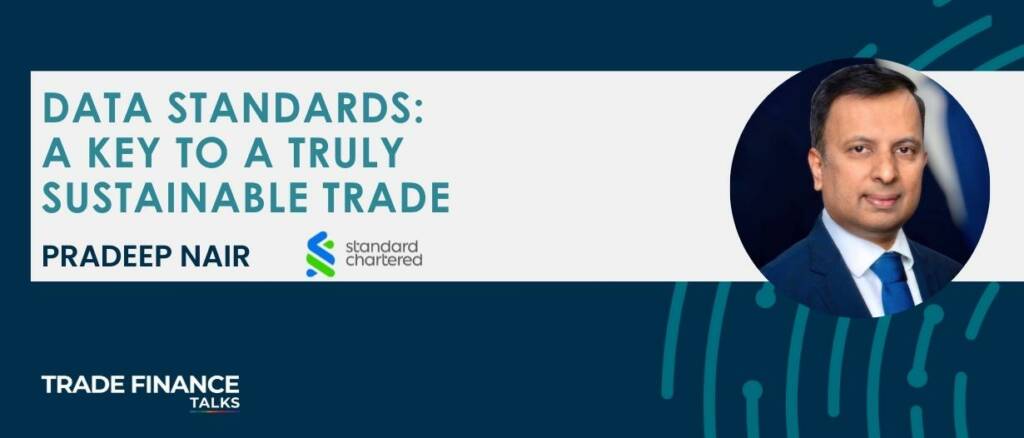
For sustainable trade finance to scale, the industry needs a uniform model for ESG data that can be used by everybody, says Pradeep Nair, Global Head of Structured Solutions and Development of Standard Chartered Bank
Investing in your business during a recession: what you need to know