


- Ghana and the UK have agreed a £215 million growth partnership to boost trade and investment.
- The deal includes a £101 million ship repair and dry-docking facility at Takoradi.
- It also supports green projects, AI development, education, and healthcare.
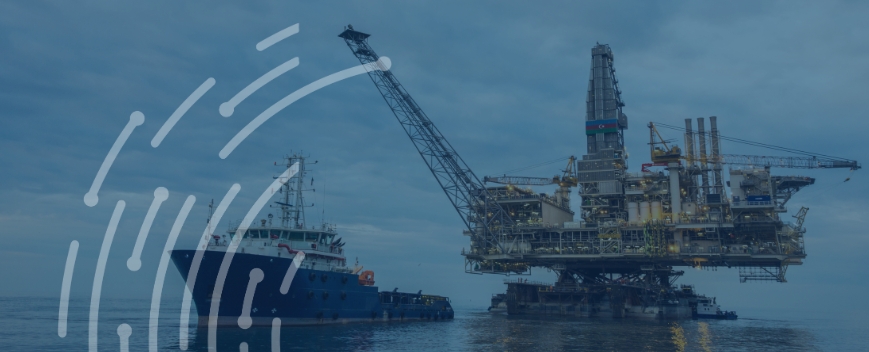
On Wednesday, 3 June, Ghana and the UK signed a new growth partnership worth up to £215 million, revealed the UK Foreign, Commonwealth, and Development Office. The deal involves a £101 million project backed by the UK to build the first commercial ship repair and dry-docking facility in the Gulf of Guinea.
The agreement was signed during Ghanaian President John Dramani Mahama’s recent visit to the UK for the Ghana Investment Summit, which took place in London earlier this week. It outlines the two countries’ collaboration over the next two years to expand Ghana’s trade, enable private-sector-driven growth, and generate new investment.
Known as the Takoradi Floating Dock Project, the planned facility on Western Ghana’s Port of Takoradi is supported by UK investors, including the UK co-owned Private Infrastructure Development Group (PIDC). It will be developed in cooperation with the Ghana Ports and Harbours Authority (GPHA), and is anticipated to create up to 430 jobs, while positioning Ghana as a regional hub for maritime trade.
The Gulf of Guinea transits around 1,500 vessels daily from nearly 20 commercial ports across 17 West African states. It is increasingly important to global trade and energy flows.
Africa is estimated to be home to over 125 billion barrels of crude oil, and West Africa accounts for roughly half of that, holding 10% of global oil reserves. Nigeria, Africa’s biggest producer of refined oil, also sits on the coast of the Gulf of Guinea.
A new dry-docking facility would be crucial to making the waterway self-sufficient. Dry-docking is a maritime process where a vessel is placed on dry land for mandatory inspections, routine maintenance, and repairs. It increases the operational lifecycle of vessels and prevents vessel-related delays or supply chain disruptions.
The broader growth partnership also involves climate-related infrastructure projects, activating capital to develop Ghana’s green economy, reforestation efforts, implementing the Ghana AI Strategy which aims to boost Ghana’s digital advancement, and collaborating over improving access to high-quality education and healthcare training.
Ghana and the UK’s economic alliance dates back to the aftermath of Brexit in 2021, when the UK-Ghana Trade Partnership Agreement was signed. Since the agreement came into effect, bilateral trade between the two countries has surged to £1.6 billion, reflecting a 12.5% increase from 2024.
The major goods typically exported from the UK into Ghana are textiles, machinery, refined oil, and meats, while Ghana primarily exports agricultural products such as tea, coffee, cocoa, fruits, vegetables, and fish.