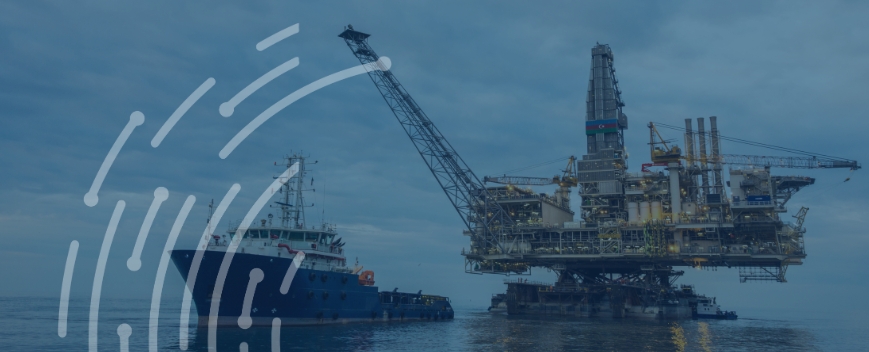






- South Africa is ramping up fuel imports from the US as disruption in the Strait of Hormuz tightens energy supplies.
- A surge of US tanker deliveries to Durban comes as the country becomes increasingly reliant on imports due to declining refining capacity.
- The shift coincides with a new zero-duty trade deal with China set to begin on 1 May, reshaping South Africa’s global trade ties.
South Africa is boosting its fuel imports from the US, as disruption in the Strait of Hormuz strains the country’s energy supply. This comes in the lead up to South Africa, alongside 52 other African countries, gaining zero-duty access to the Chinese market, set to take effect on 1 May.
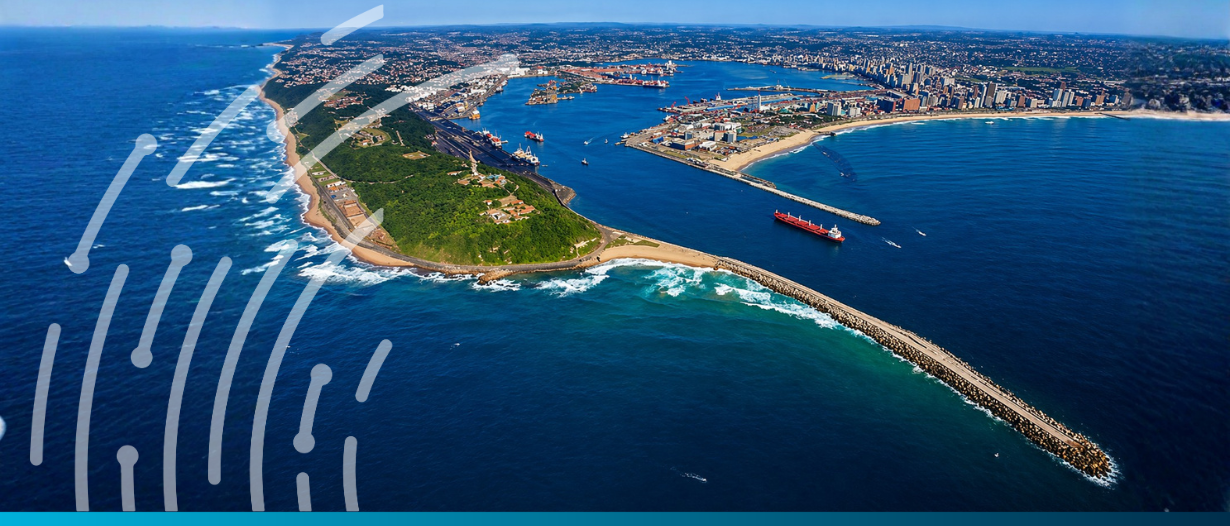
In the past month, at least four US tankers unloaded around 165,000 tonnes of refined fuels this month in South Africa’s Durban port, about twice the amount of total US crude oil and fuel imports South Africa received back in January. As of today, 23 April, one more arrived in Durban, with three more heading there before the end of the month.
South Africa is Africa’s biggest petrol importer, surging to the top by surpassing Nigeria with 4.2 million tonnes in imports in 2025. Since the disruption in the Strait of Hormuz, Nigeria has increased the activities of its Dangote Refinery – Africa’s largest oil refinery – now operating at the maximum capacity of 650,000 barrels per day.
The growth in South Africa’s imports is largely attributed to the country’s underinvestment in industrialisation, resulting in the halving of South African refining capacity over five years, and making the country import-dependent for around 60% of its fuel.
Prior to the eruption of the conflict in the Middle East, South Africa sourced its petroleum products primarily from Oman, Saudi Arabia, and the UAE. However, since the Strait has entered a gridlock, the southern nation has turned to the US as an alternative supplier.
“Product is available, albeit at a price, from alternative international supply sources,” said Avhapfani Tshifularo, Chief Executive of the Fuels Industry Association of South Africa. “The US has been identified as one such source, and there appears to be a notable increase in fuel shipments originating from there.”
Last year, South African exports to the US were hit with 30% tariffs, the highest of all African countries. Previously, South Africa’s agriculture, textiles, and automobile sectors had duty-free access to the US – a longstanding agreement under the African Growth and Opportunity Act (AGOA), enacted in 2000.
The tariff was seen as a major blow, as the US is South Africa’s biggest trading partner after China.
The recent boom in US fuel imports comes just under two weeks before South Africa gains zero-duty access to China’s market. The new deal is under China and South Africa’s Framework Agreement on Economic Partnership for Shared Prosperity, signed back in February.
The deal was signed after China announced, in June last year, that it would eliminate all tariffs for the 53 African countries it has diplomatic relations with. In late March, Chinese Vice President Han Zheng met South African President Cyril Ramaphosa for the ninth plenary session of the China-South Africa Bi-National Commission. During the session, Han stated that the two countries’ relations have entered a “golden era.”