











- The Carbon Border Adjustment Mechanism (CBAM) aims to reduce greenhouse gas emissions by accounting for the carbon cost of imported goods like steel, cement, and fertiliser.
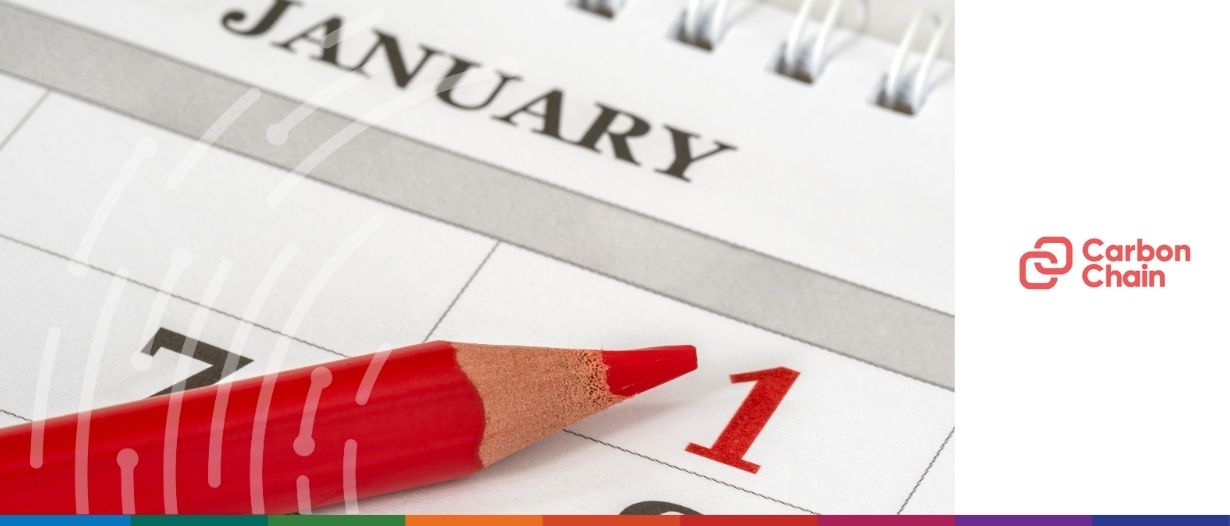
- Importers of CBAM goods must obtain authorised declarant status by 31 March 2026 to avoid penalties and carbon cost liabilities.
- CBAM authorisation is essential for businesses, with failure to comply resulting in significant penalties per tonne of carbon dioxide imported.
A Carbon Border Adjustment Mechanism (CBAM) exists to reduce greenhouse gas (GHG) emissions by accounting for the carbon cost of producing imported goods.
The impact for those importing CBAM goods (that is, aluminium, steel, fertiliser, cement, hydrogen, and electricity) is set to be profound.
Businesses need to obtain authorised declarant status to implement these goods by 31 March 2026. Without authorisation, companies will have to pay CBAM liabilities and penalties per ton of carbon dioxide (CO2) imported.
The authorised declarant status is a “business imperative and really a license to operate” for importers of CBAM goods, said Adam Hearne, CEO of CarbonChain.
Companies can use a CBAM cost calculator like CarbonChain’s: https://www.linkedin.com/feed/update/urn:li:activity:7405203482829275136