









- The Trafigura nickel trial, which will hear closing arguments next week, exposes a $600m fraud involving non-existent nickel shipments.
- Court testimony reveals years of internal concerns within Trafigura about Gupta’s opaque business structures, long transaction cycles, and unusually high financing costs.
- Gupta claims Trafigura traders were involved in the scheme, which they deny; there is also little trace of where Trafigura’s money may have gone.
On 17 November, the London High Court began hearing one of commodities’ most high-profile fraud cases in recent memory: Trafigura’s announcement in early 2023 that it had been subject to a “systemic fraud” to the tune of a staggering $600 million by Emirati businessman Prateek Gupta.
The case involved non-existent nickel shipments and resulted in huge losses for the trade finance lenders who had backed the transaction, weakening confidence in the industry.
Now that all testimony has been heard, a clearer picture has emerged about the events leading up to the discovery of the fraud and about the complex trading relationship between the global commodities giant, its lenders, and Gupta’s companies.
Trafigura had acted almost as a trade financier in the transactions, first via an inexpensive line of credit provided by a major bank and later through its own balance sheet. However, the complex structure of the transactions it was financing – many of them between companies that turned out to all be somehow connected to Gupta – wasn’t discovered by the commodity trader until it was too late.
A quick recap
Trafigura, the Swiss-based oil and metals trading company, started purchasing zinc from India through one of Gupta’s companies in 2014. By 2022, Trafigura was acting as a trade financier for TMT Metals and other companies owned by Gupta; Trafigura was itself receiving an $850 million line of credit from Citibank to finance the transactions.
In the so-called “buyback transactions,” Trafigura would buy nickel to be exported at its origin, own it during the journey, and sell it back to the original company when it arrived at its destination for a higher price. In spring 2022, however, nickel prices were so disrupted by Russia’s invasion of Ukraine that the London Metals Exchange suspended trading for a week, fearing complete market collapse.
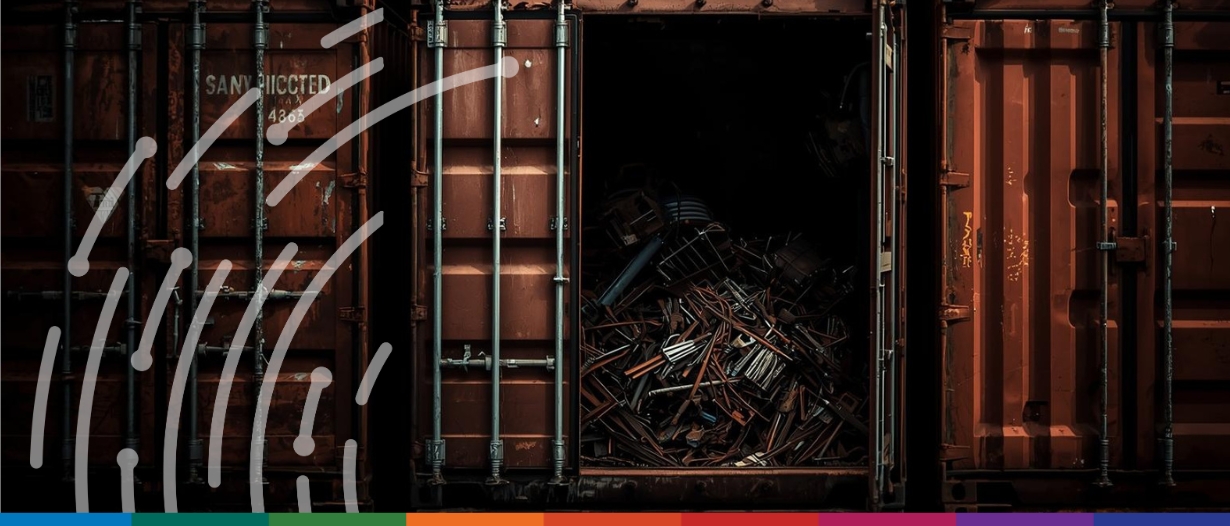
The disruption alerted Citibank to the unusual nickel deals it was financing, with massive transaction sizes – enough to fill over half an industrial container ship – and long travel times. In November, Citibank asked Trafigura to inspect the nickel shipments, but cut off financing before the inspection happened. Trafigura began to fund the cargo itself, but quickly found that the apparent high-quality nickel shipments were in fact containers filled with worthless scrap metal.
Court testimonies and documents unveiled in the case are shining more light into what happened in the lead-up to the fraud’s discovery, and into how the world’s biggest commodity trader was duped into a nearly billion-dollar scam. In the past two weeks of what looks set to be a long trial, here’s what we found out.
Trafigura’s trade finance team had been concerned about the transactions for years
In the second week of the trial, the court was shown an email sent in 2020 by Trafigura’s refined metals trade finance head expressing concern about Trafigura’s business with Gupta’s companies.
The email cited Gupta’s “strange business strategy,” unusually long transaction times of six months or more, and an uncharacteristic lack of concern about the time it took to get goods to customers.
Trafigura’s trade finance team was also concerned that the buyers could be related to the sellers in some way and that Gupta’s companies were willing to accept such high interest rates.
Trafigura’s trade finance department was concerned that the company had become “the bank of [Gupta’s] company and that if we stop doing this, they have no other way to finance that business,” noting that other major banks were refusing to finance the firm’s transactions, according to the email.
No one knows quite where the money went – but Gupta’s wife may have gotten some of it
During cross-examination by Trafigura’s lawyers, Gupta said he did not recollect where Trafigura’s money – intended to buy nickel that didn’t actually exist – had gone, the Financial Times reports.
Trafigura alleges that Gupta had been channelling funds to senior officials in his companies or his wife, whose bank accounts were frozen in 2023 in relation to the case. No funds have been recovered yet.
Trafigura traders were in on it, Gupta claims
Gupta, for his part, acknowledged that the containers did not contain the nickel that had been promised, but alleged that the scam was done in conjunction with – and in fact proposed by – two top Trafigura metals traders.
In his testimony, Gupta said that Trafigura’s then-head of nickel trading had proposed the fraud, and that he was “just following instructions” and did not understand that the proposal – to ship scrap metals in containers that Trafigura was told contained high-purity nickel – would be fraudulent.
Gupta told the court that Trafigura’s traders were interested in the scheme because it allowed the company to profit from interest payments; that he did not know the exact modalities by which the scheme was managed.
The traders categorically deny knowing about the fraud, while Trafigura’s lawyers have said it would be “logically and commercially absurd” for the firm to have knowingly participated in the arrangement.
—
The case will resume on 10 December for closing arguments.