













Both ‘bill discounting’ and ‘invoice factoring’ are types of financial instruments that are used to provide working capital to businesses from accounts receivables (i.e., unpaid invoices).
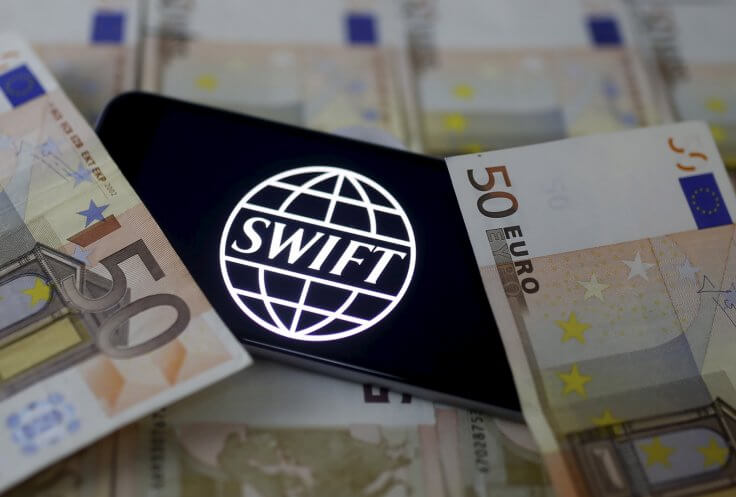
The SWIFT MT 799 and SWIFT MT 760 are both widely used in trade finance but have some important differences. If you want to learn about these differences, you’ve come to the right place.

What are the various forms of trade credit financing? What are the advantages and disadvantages of trade credit? Learn everything you need to know about the pros and cons of trade credit here!

Anti-money laundering is the process of financial institutions and other business entities using in-house (sometimes assisted by external parties – more on this to come) methods to address the risks posed by Trade-Based Money Laundering.

Letter of Credit FAQs Documents accepted as present An issuing bank could use the term ‘documents accepted Does this mean: The only requirement under such an expression (which is undefined… read more →

SWIFT – Explained SWIFT codes are composed of eight to eleven alphanumeric characters. Here is the breakdown of the codes: In financial transactions, everything happens within the banks. The sender… read more →
December 2018 marks the end of a year of volatility, technological breakthroughs and geopolitical tension. No matter where in the world you are, protectionist policies, unpredictable trade wars and unprecedented… read more →
Invoice finance is a type of asset backed finance, where the underlying asset is the accounts receivable. Accounts receivable essentially means ‘money owed’ and is usually through the form of… read more →

When exchanging goods and services overseas, you’ll often come across important trade terms such as bills of exchange, prom notes and trade bills. We’ve quickly summarised the three terms, and… read more →

At Trade Finance Global we get asked a lot of questions around Letters of Credit, so we’ve put together a quick cheat sheet on LCs, payment times and the presentation… read more →