













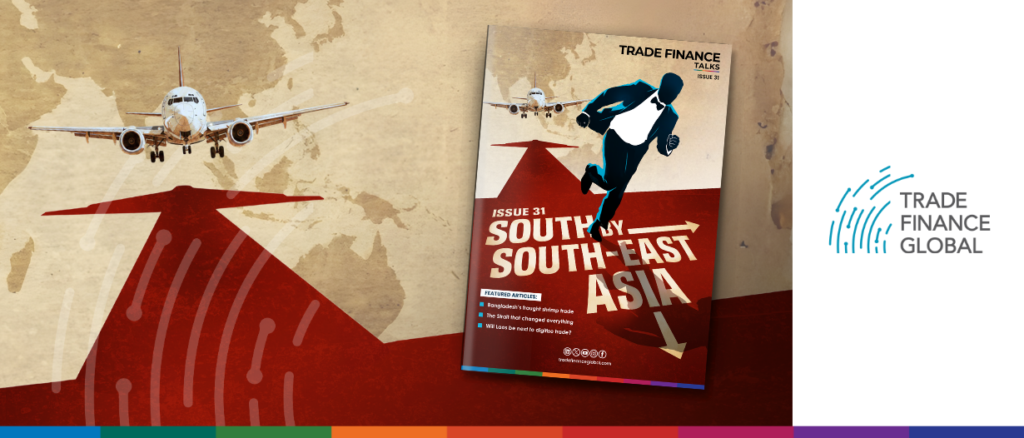
Alfred Hitchcock’s 1959 North by Northwest is a film about mistaken identity, spy networks, and hanging off Mount Rushmore. But at its core, it’s about a man hurtling towards destinations… read more →
The global halal economy, estimated at $40 trillion, is among the fastest-growing sectors of the international economy. The sector’s compound annual growth rate (CAGR) of 5.3% is underpinned by a… read more →
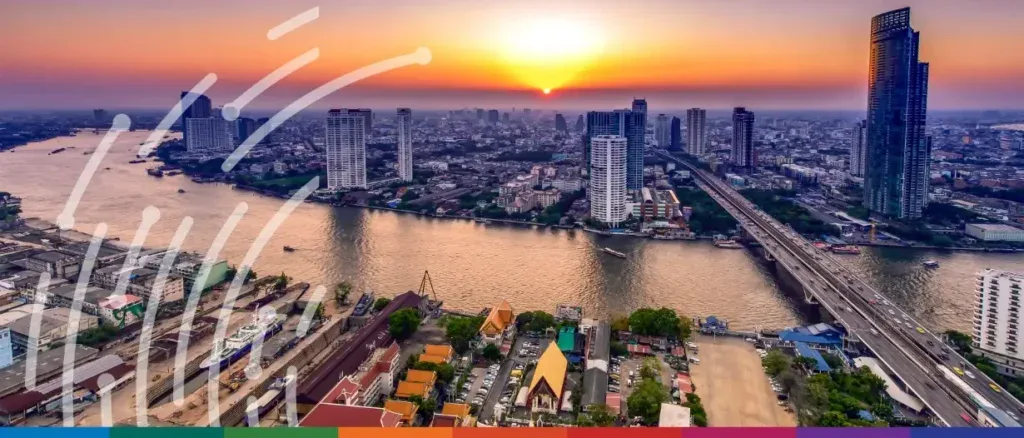
As the Trump administration conditions market access on forced labour commitments, such commitments have moved from the margins of trade policy to its core. Nowhere is that shift more consequential… read more →
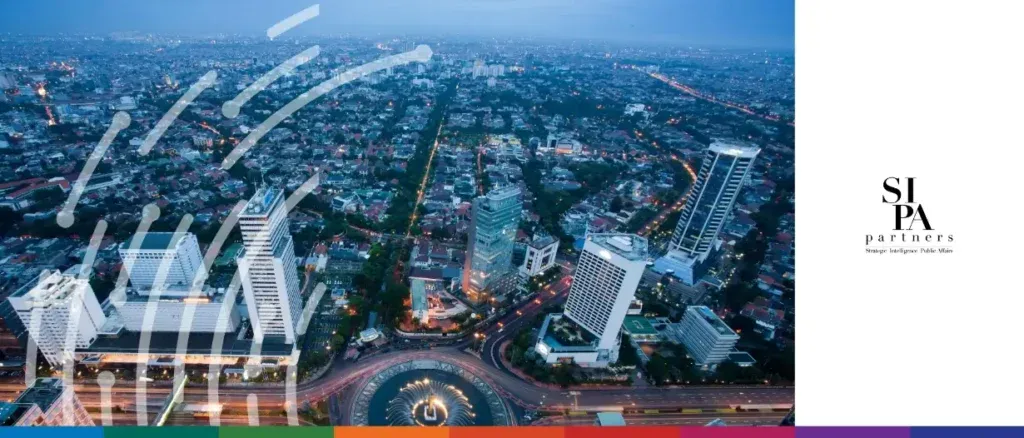
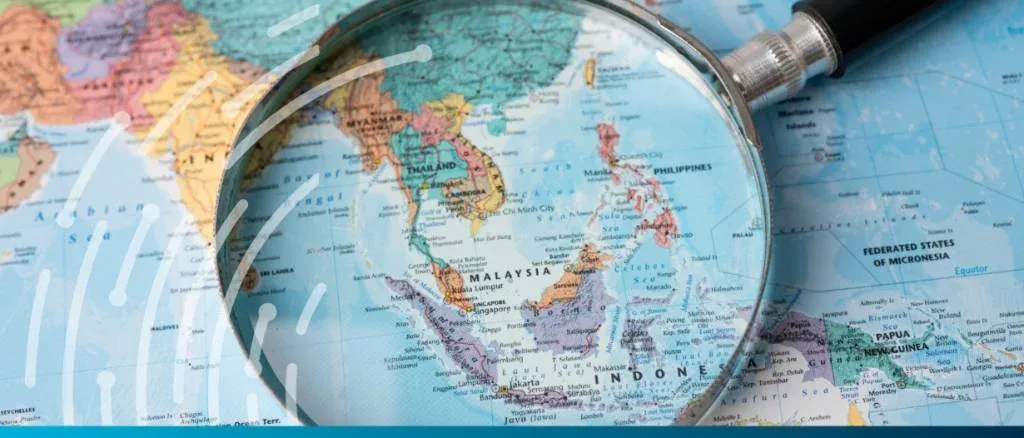
South-East Asia is a critical region for the global economy. With a GDP of $6.36 trillion, Indonesia alone is the world’s sixth-largest economy, surpassing Brazil, France, and the UK. As… read more →
For several decades, global consumption has centred on the idea that the US dollar can be trusted as an asset of value. This did not happen by chance. The Bretton… read more →
Multinational corporations are having to respond to a rapidly changing global landscape by revamping how they structure their operations. One focus of this transformation has been on the function of… read more →
As environmental, social, and governance (ESG) issues become more important in investment and policy choices, the global regulatory environment for sustainability is both expanding and transforming. This chapter of our… read more →
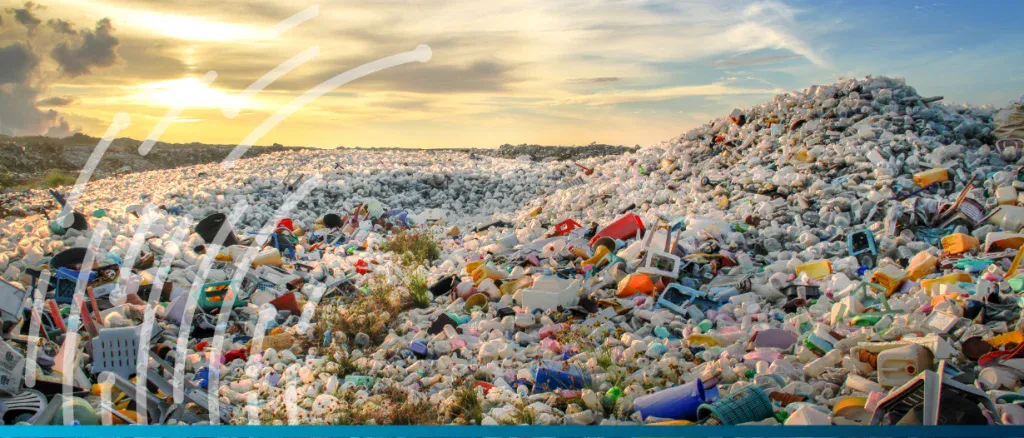
The Southeast Asian nation, which became the world’s largest recipient of discarded plastic from wealthy countries after China’s 2018 import ban, introduced amended customs regulations on 1 July that prohibit… read more →
Similarly, both Indonesia and Thailand promoted an FTA with the GCC in February 2025, targeting a deal by the end of 2025, while Vietnam and the United Arab Emirates (UAE)… read more →
Since 1999, the Malaysian government has introduced several initiatives to modernise its procurement processes and enhance economic inclusivity. Among these is the e-Perolehan system, which translates to the e-Procurement system, also known as “eP”.