













As Iain Martin of the Times said, “To deny the downsides of Brexit on trade with the EU is to deny reality.”
The decision to secede from the world’s largest single market area was bound to have some short-term economic consequences, but the UK may be experiencing more than a short-term decline.
The latest issue of TFG’s Trade Finance Talks, ‘Supply chain disruption: the new global food crisis’ is out now!
Your Monday morning coffee briefing from TFG: we.trade enters the trough of disillusionment – what this means for the digitalisation of trade finance
we.trade, a blockchain-based trade finance network owned by 12 European banks and IBM, told shareholders in May that it had run out of cash.
At the BAFT global annual meeting in May, TFG sat down with heads of trade to discuss the current state of trade in Asia.

The UN’s World Food Programme has warned that the failure to open Black Sea ports is a declaration of war on global food insecurity and will lead to famine, destabilisation of nations, and mass migration by necessity.
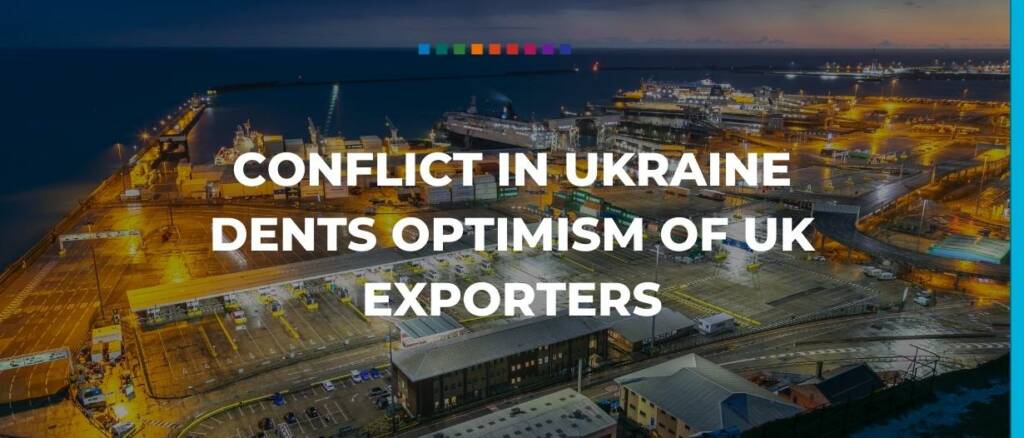
UK exporters are the least optimistic in Europe due to a combination of uncertainty caused by Brexit, the conflict in Ukraine, and disrupted supply chains, according to Allianz Trade. This… read more →
Over the last ten years, nature dependent exports accounted for 40% of annual world trade ($7.4 trillion) – 36% of which stemmed from non-democratic regimes, as defined by the Economist Intelligence Unit’s Democracy Index.
TFG spoke to two leading trade credit risk management experts, Marian Berden and Robert Meters of Schumann on how technology has the potential to help business avoid some of the costs and stresses associated with current economic conditions.
Your Monday morning coffee briefing from TFG: Up, up, and away – latest statistics prove record inflation over last 12 months