














On the morning of 28 February, 2026, a tanker operator in Singapore received a message that would have seemed unimaginable a week earlier: transit through the Strait of Hormuz had… read more →

The European Union’s (EU) Carbon Border Adjustment Mechanism (CBAM) could translate into significant cost differentials across markets, outweighing freight advantages or marginal price discounts, according to a CarbonChain report released… read more →

The trade finance gap continues to sit at a persistent $2.5 trillion. The latest Asian Development Bank (ADB) survey on the gap identifies a subtle decrease in the percentage of… read more →
The world’s population is projected to reach 9.7 billion by 2050, which requires approximately an 80% expansion of global agricultural production. This is the only way through which the United… read more →

India’s recent free trade agreements (FTAs) show a clear shift in the country’s trading strategy. India is pursuing trade deals not for geopolitical signalling or for aspirational market access. Instead,… read more →
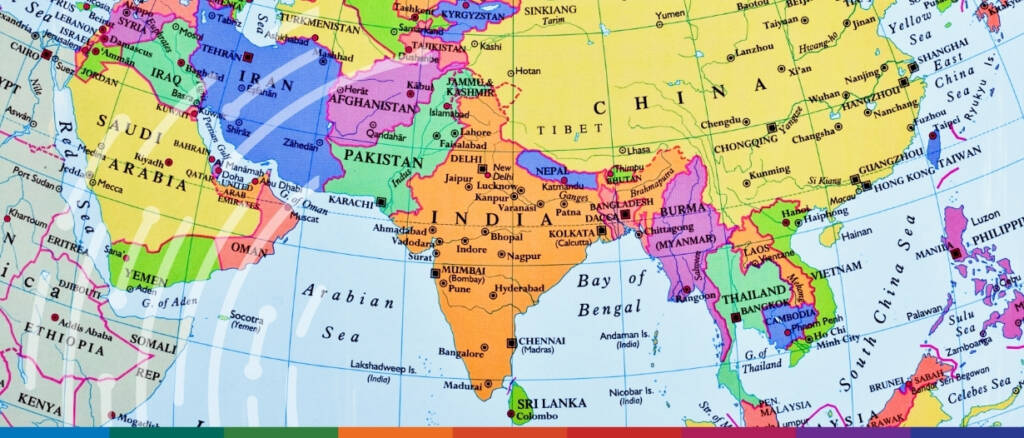
South-East Asia is a critical region for the global economy. With a GDP of $6.36 trillion, Indonesia alone is the world’s sixth-largest economy, surpassing Brazil, France, and the UK. As… read more →

Indonesia’s digital economy is expanding at remarkable speed, with millions of businesses moving online. Digital trade and e-commerce are being positioned as major drivers of inclusive progress, with efforts focused… read more →

In 2025, Pakistan was ranked the world’s second-best emerging economy for financial stability by Bloomberg, recognised for its consistent improvement in financial credibility and steady reduction in default risk. Trade… read more →

In 2023, digital payments accounted for 50% of transactions across the Association of Southeast Asian Nations (ASEAN), and this is projected to reach $416.60 billion by 2028. This growth comes… read more →

It is generally agreed that adoption of electronic trade documents will lead to efficiency – both in terms of time and costs. Let’s consider the example of a bill of… read more →