













Container Freight Station (CFS)


Access trade, receivables and supply chain finance
We assist companies to access trade and receivables finance through our relationships with 270+ banks, funds and alternative finance houses.
Get Started
Contents
If you’ve heard the term container freight station – but don’t quite know what exactly it means, you’ve come to the right place. Let’s dive into this lesser-known aspect of the shipping process and clear up some of the mysteries that lie around it.
What is container freight station (CFS)?
CFS stands for ‘Container Freight Station’; a station or warehouse where a number goods or products are stored to be shipped together in one or more containers.
At a CFS, the goods normally belong to a number of different customers, and the shipment is often done via LCL shipments.
LCL (Less container load) shipments occur when the exporters don’t have enough cargo to fill one container full (an FCL). We’ve put together a guide on Less Container Load Shipments and Full Container Load Shipments here.
CFS/CFS – What is a CFS – CFS shipment?
A Bill of Lading might contain the port name followed by /CFS, which refers to the shipping port name, followed by the destination port name, which clearly lays out the responsibilities between the exporter, shipping company and customer.
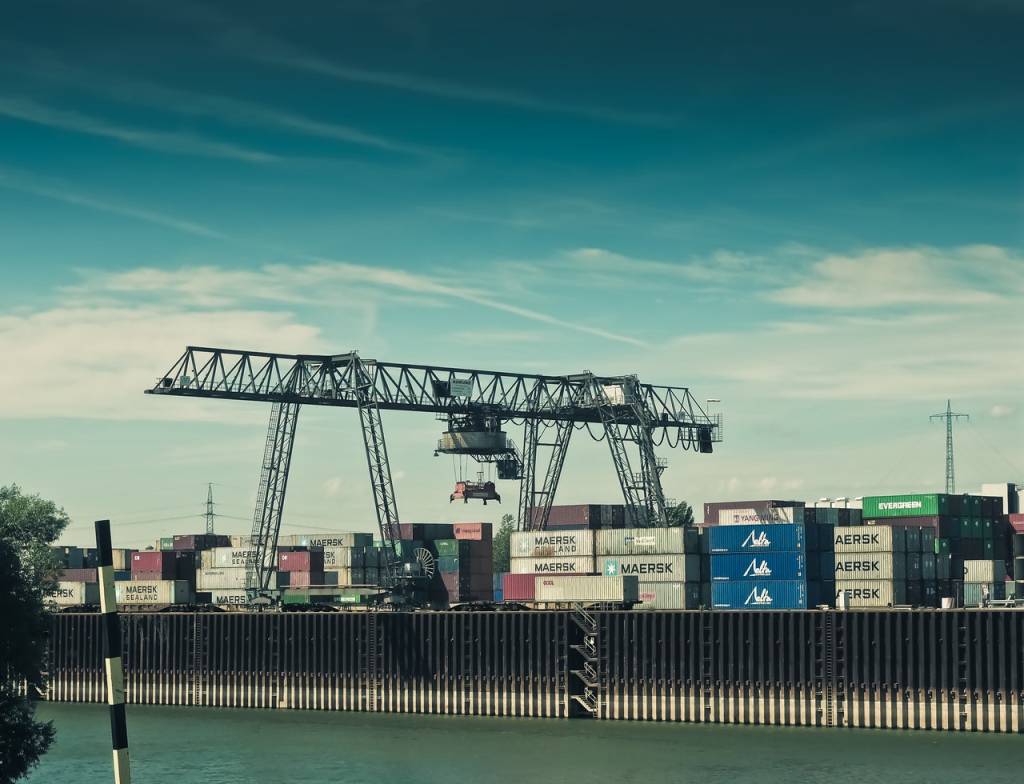
CFS Pier to Pier
Another term often appearing on Bills of Lading or Letters of Credit are CFS/CFS pier to pier, referring to cargo which is packed by the carrier into a container along with other goods and accepted and unpacked by a consignee at the destination terminal or port.
CFS Receiving Services
CFS receiving services are a set of services which are provided between receiving cargo from exporters and packing them into containers.
CFS Receiving Services include:
- Moving empty containers from a Container Yard to a Container Freight Station
- Drayage of loaded containers from the Container Freight Station to the Container Yard
- Tallying
- Issuing dock receipt or shipping order
- The physical movement of cargo in or out of a Container Freight Station
- Stuffing, sealing and marking of containers for labelling and identification
- Storage of containers
- Ordinary sorting and stacking of containers pre or post shipment
- Preparing containers internal load plan
How CFS works
Exports will be delivered to the nominated CFS for packing, and imports will be picked up from the nominated CFS after unpacking.
All cargo going to one destination will be consolidated and packed into one container at the Container Freight Station. For example, the CFS might pack ten different LCL shipments going to Singapore but from different customers into a single 40′ container, and then ship this one container.
Bills of lading for LCL shipments will be lines bills of lading and will mention CFS/CFS on the bill. Accordingly, the shipping line has responsibility from the CFS at the port of load until the CFS at the port of discharge.
Testimonials
An organisation required a CFS/CFS Shipment in order for them to transport smaller orders of goods to clients around the world.
– Helen S, Shoe Manufacturer
Case Study

Footwear Company
A footwear company needed to make deposits to their South American suppliers in order for them to have goods shipped using a deposit and trade facility with a receivables line.
- All Topics
- Key Terms
- Incoterms Resources
- Podcasts
- Videos
- Conferences