









- Total Graphite is updating its Mozambique graphite project to feed a planned US processing plant.
- The US aims to cut reliance on China, which dominates global graphite supply.
- Mozambique is tightening mining rules and exports of raw minerals.
On Monday, 8 June, British mining company Total Graphite announced that it has changed its feasibility study for a graphite mining project in Montepuez, Mozambique, to ensure it can support a planned graphite processing facility in the US.
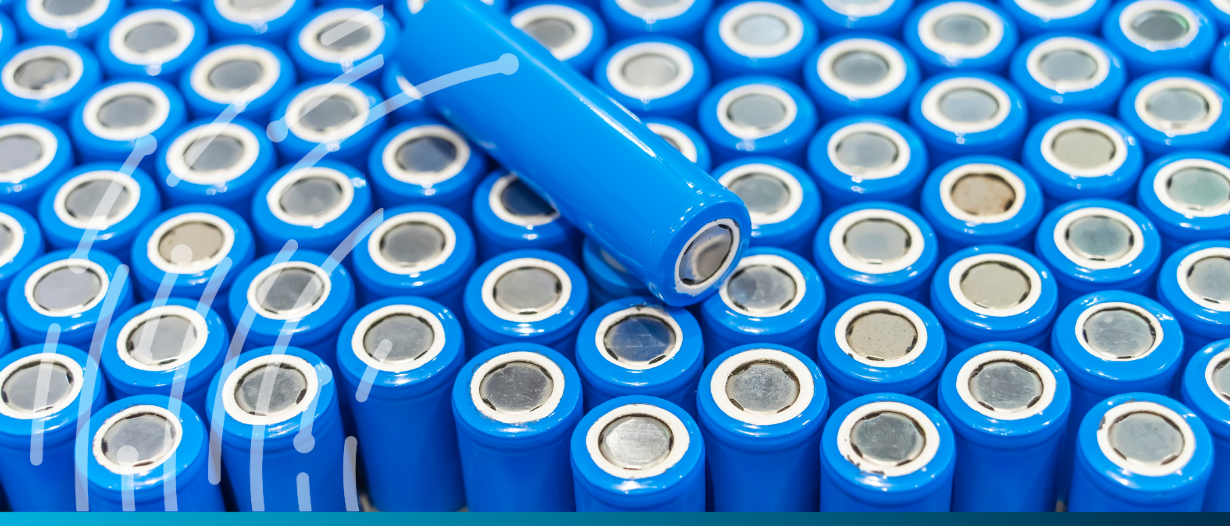
Graphite is the largest portion of lithium-ion batteries by weight, and one electric vehicle (EV) battery holds 50 to 100 kilogrammes of graphite. Updating the feasibility study involves aligning extraction and production practices with the requirements of the anticipated US facility, a purified spherical graphite plant.
Purified spherical graphite plants process raw flake graphite into battery-grade anode material for lithium-ion batteries through a process of micronisation, spheronisation, and purification, followed by carbon coating.
Currently, the US is 100% import-dependent for graphite, and has been since the 1950s. The crystal is among the US’ top imports from Mozambique, with the North American superpower importing $236,000 worth in March 2026 alone. But around 42% of US graphite supply comes from China, the US’ rival to the east.
China – as per its monopoly on many minerals crucial for the energy transition – also dominates graphite markets, accounting for 82% of total global production. The US is thereby in the midst of building an alternative, increasingly American-sourced graphite supply chain.
The US has around 19 million tonnes of graphite resources in four known deposits, with more potential resources elsewhere. These deposits could supply around 7.3 million tonnes of battery-grade graphite, which is enough to meet projected demand from 2025-2040.
However, challenges include the relatively low graphite content of US deposits and the possibility that mine development may not keep pace with growing demand.
The feasibility study update could deepen the existing graphite supply chain between Mozambique and the US.
Currently, the US-Mozambique graphite supply chain relies heavily on Mozambique’s Balama mine – the country’s largest graphite mine – which has already received financing from Washington. The mine provides significant supply to a battery anode facility in Louisiana.
According to Total Graphite, the upcoming Montepuez project could produce up to 100,000 metric tonnes of graphite per year.
The move comes just after Mozambique banned exports of raw and semi-processed minerals, unless companies show commitment to refining locally. The ban, which was announced last week, followed a law introduced in May that made it mandatory for the state to have 15% ownership over all mining projects.
Mining in Mozambique has made even more headlines recently, after the parliament called for an immediate end to all illegal mining in early May, as it led to significant mercury contamination detected in drinking water used by local communities in Manica.